
By Ravisankar K.V.
As Manisha Koirala and Mani Ratnam return to Bekal Fort on December 20, 2025, to celebrate the 30th anniversary of their iconic film Bombay, I find myself transported back to 1996-2000, when this isolated but hauntingly beautiful beach in North Kerala was just beginning its transformation from obscurity to prominence.
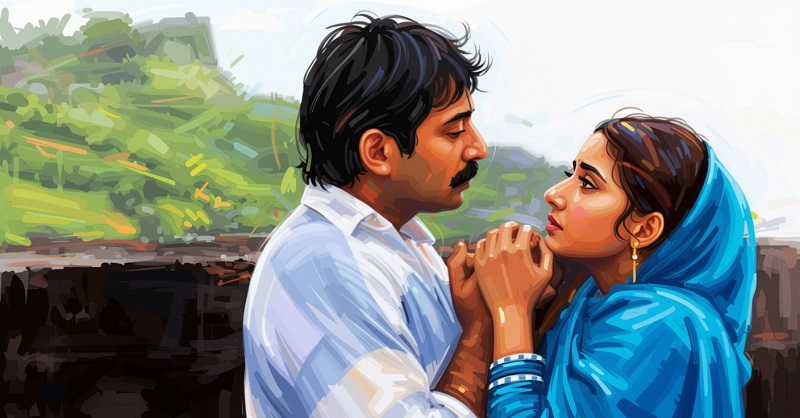
My first trip to Bekal was in 1989 to capture some beautiful frames of the Bekal Fort, the northernmost tourism attraction of Kerala, when the state was tagged as Kerala – The Green Paradise of Earth. After that, I traveled many times to Bekal and North Malabar to capture the beauty of Bekal and the vibrant Theyyam folk art for Kerala – God’s Own Country campaign. But when one project emerged that would turn the entire trajectory of modern-day Kerala Tourism, I was fortunate to be part of that journey. In 1995, I got a major photography assignment from Kerala Tourism to document the idea-to-reality journey of a tourism project – the Bekal Tourism project.
In 1995, when I watched the film Bombay, I realized how stunning Bekal looks during the monsoon and from an aerial view. In those days, an aerial shot was impossible for a still photographer – it was the fortune of cinematographers who could use high-rise cranes to capture aerial shots. But the film gave me insight into how a destination changes during different seasons.
When I first arrived at Bekal for the Bekal Tourism project work, the frames from the Bombay film were fresh in my mind – the name of cinematographer Rajiv Menon etched even deeper than Mani Ratnam’s in my consciousness. I have a deeply personal connection with Bekal that began during those years when “Uyire Uyire” was echoing across India and among Indians across the globe, long before destination weddings became synonymous with its shores, and long before it emerged as one of Kerala’s premier tourism destinations.
Friday Evenings on the Malabar Express
I traveled to Bekal hundreds of times during those formative years, accompanying a young and vibrant IAS officer who would later become an expert in tourism development – none other than Dr. Venu Vasudevan, who went on to serve as Kerala Tourism Director, Secretary, and eventually retired as Chief Secretary of Kerala recently.
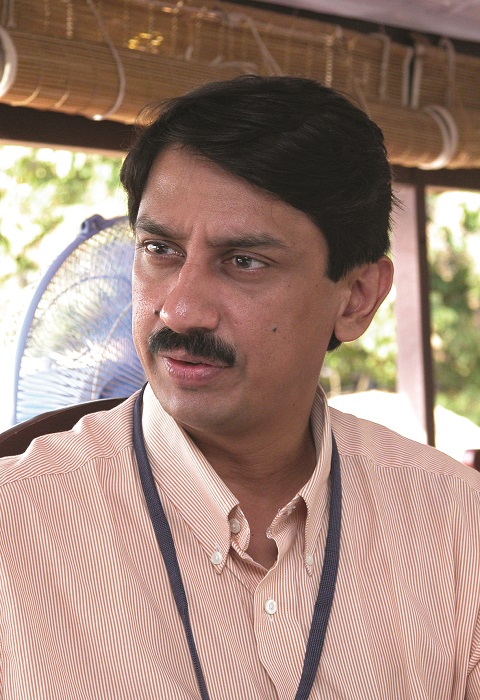
In 1995, the Kerala government appointed this young and dynamic Indian Administrative Service officer, Dr. Venu, as the first Managing Director of the Bekal Resorts Development Corporation (BRDC). Together we literally walked every village and beach from Kasaragod to Kanhangad, and eastward up to the Ranipuram hill station. The Bekal project was implemented across four panchayats in Kasaragod district: Ajanur, Uduma, Pallikkara, and Chemmanad.
I documented Destination Bekal in every season and captured the beauty of Bekal beach and fort through my lens and heart. Kerala Tourism is still using those vibrant frames for the branding and marketing of Destination Bekal. For the first time in the history of India’s tourism sector, a destination was documented from its planning to implementation stage.
Every journey began the same way: boarding the Malabar Express from Thiruvananthapuram on Friday evenings, arriving at Pallikkara station – now renamed Bekal Fort Railway Station (BFR), – in the early morning hours of Saturdays. We stayed at the two-room guest house situated inside Bekal Fort, which is part of the Archaeological Survey of India, though the guest house itself is under the Kerala Public Works Department.
We would then walk through beautiful coconut farms and thick foliage, swatting away millions of houseflies, enduring the nauseating smell of rotten fish used as fertilizer for tobacco cultivation in the Bekal beach area. Those days, Bekal and its neighboring areas were famous for Kasaragod tobacco leaves, not tourism infrastructure.
It wasn’t glamorous work. But it was visionary work.
India’s First Planned Beach Tourism Destination
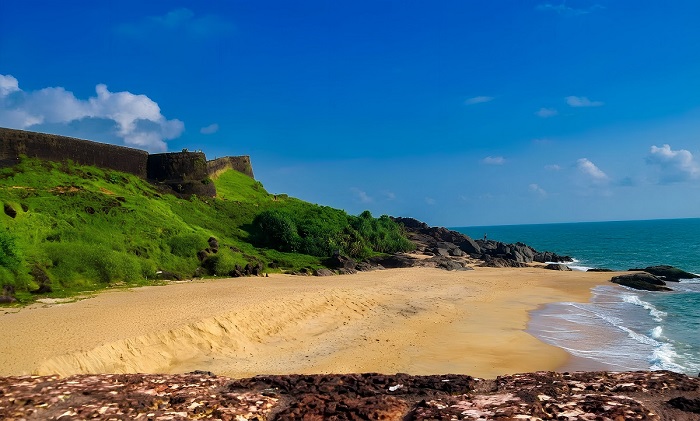
What we were witnessing – and participating in – was nothing less than the creation of post-independence India’s first planned tourism project, developed in parallel with Sindhudurg in Maharashtra. Dr. Venu and his team meticulously identified sites marked as Resort Sites – RS1 to RS6 – designated for premium, upscale luxury resorts.
The scale of ambition was unprecedented. The story began when Mani Ratnam’s Bombay was shot at Bekal Fort in 1994. Perhaps it was those stunning panoramic frames captured by cinematographer Rajiv Menon – which became another highlight of Bombay alongside A.R. Rahman’s melodious musical sensation – that caught the attention of film-loving bureaucrats in Delhi.
When the film released in 1995 and captured hearts across India and beyond, someone in the power corridors recognized what we in Kerala already knew: Bekal could be India’s world-class tourism destination. In 1995, India’s Union Minister for Civil Aviation and Tourism, Shri Ghulam Nabi Azad, announced in Parliament that the Indian government planned to develop two world-class beach destinations at Bekal in Kerala and Sindhudurg in Maharashtra by investing Rs. 1,000 crore in each location.
This announcement came at a transformative moment in India’s economic history. P.V. Narasimha Rao was Prime Minister and Dr. Manmohan Singh was Finance Minister, steering India’s globalization initiative to revamp the Indian economy. Tourism was identified as one of the major pillars of this economic transformation.
In Kerala, then Chief Minister E.K. Nayanar and the State Tourism Minister E. Chandrasekhara Nair took the initiative to fulfill the dream of positioning Kerala as a tourism state. This was happening precisely when Tourism Director K. Jayakumar was positioning the brand identity of Kerala as “God’s Own Country.”
The Bombay Connection
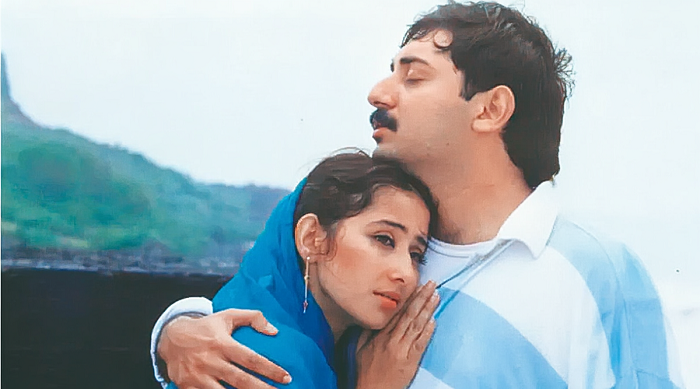
The film Bombay, released in 1995, had already captured the imagination of a generation. The song “Uyire Uyire,” composed by A.R. Rahman, became an anthem. And forever embedded in that melody was the image of Bekal – the lead character leaping across cliffs beside a turbulent sea beneath brooding skies, the fort standing sentinel over their romance.
I still remember those beautiful crane shots of Bekal Fort – the lush greenery, dark monsoon clouds in the background, and the romantic scenes of Manisha Koirala and Arvind Swamy set against this picturesque landscape. Those frames had showcased Bekal’s potential to the nation and the world, and perhaps influenced the decision to invest Rs. 1,000 crore in developing it into a world-class destination.
But here’s the tragedy of timing: when the film created immense popularity for Bekal in 1995, and even when our development work began in 1996, the destination lacked proper accommodation facilities to capitalize on this cinematic fame. Many travelers flocked to see the locations they’d fallen in love with on screen, only to return the same day to Mangalore, Bangalore, or Kannur for overnight stays. The destination had achieved cinematic fame but lacked the infrastructure to retain visitors.
I often wonder: if proper accommodation had been ready when Bombay released, would Bekal and North Malabar have reached an entirely different league in Kerala’s tourism hierarchy from the very beginning?
Resistance and Resilience
Not everyone welcomed this grand vision to make Bekal the first planned tourism destination in the country. When the project was announced, voices of opposition rose. Some feared that tourism would ruin the culture and harmony of the society. The dark side of Thailand’s tourism industry loomed large in public consciousness, fueling skepticism about what mass tourism might bring to this pristine corner of Kerala.
Kozhikode-based architect Mr. N.M. Salim prepared and submitted a three-volume detailed project report to Kerala Government, and Dr. Venu traveled to Bekal with this report without any plans on how to move forward and where to start. As a silent witness of the Kerala Tourism sector in the last 30 years, when I look back, the one and only reason to realize the landmark initiative is none other than Dr. Venu.
But Dr. Venu’s consistent action plan, supported by the then government, focused on creating quality infrastructure – village roads, drinking water, electricity, and sanitation facilities that very few could enjoy in these backward areas in those days. This wasn’t just about building resorts; it was about developing a region.
In late 1998, Dr. Venu moved on to become Kerala Tourism Director. Dr. Rajan Khobragade, IAS (now the Additional Chief Secretary of Health and Family Affairs), took over as BRDC Managing Director and completed the task on time.
By the late 1990s, the government had identified several developers for resort projects, including The Taj, The Lalit, Westin, and others. Some projects were completed on schedule. Others remained under construction or fell into dilapidated condition. But one thing had been achieved through BRDC’s consistent efforts: the creation of a quality destination comparable to Kumarakom.
Mr. Mani Nambiar, Head of Hospitality Development of Muthoot Hospitality Ventures, who was one of the first employees of BRDC and worked tirelessly for years along with Mr. Vikram Raj and Mr. Firoz under the supervision of Dr. Venu, recalls the development of Bekal. Subsequent MDs – Dr. Rajan Khobragade, Mr. Rabindra Agarwal, Mr. K.V. Mohan kumar IAS, and Mr. P.K. Kesavan IFS – continued this work.
Dr. Venu was one of the longest-serving MDs of BRDC and put a strong foundation for the iconic destination with his conviction, commitment, perseverance, and empathy toward the local community, political party leaders, and social workers in the region, by taking them into confidence and addressing their concerns and complaints on time. He built strong infrastructure by constructing 21 rural roads in 4 panchayats and a 7 million cubic liter drinking water project – one of the biggest water and sanitation projects in the North Malabar region. He also pulled an 11kv electricity line and installed transformers across the region to bridge the electricity availability gap, with a social commitment.
When Dr. Rajan Khobragade took the mantle, he converted 22 acres of Bekal beach into a publicly accessible amenity centre. When K.V. Mohan Kumar led the organization, he concentrated on developing the nearby Ranipuram hill station. I still remember the government officials – then Tahsildar of Kanhangad, Mr Raghavan, Village Officer Mr Dharma Dheeran, and Land Acquisition Tahsildar Mr Basheer – most of whom had thorough knowledge about the locality and society.
When Mr. T.K. Manzoor took the mantle, he tried to fill the gap between luxury and budget segments by upskilling local communities to start homestays and developing entrepreneurial skills to start their own tourism ventures. He called this initiative SMILE.
BRDC introduced the first two houseboats at Valiyaparamba backwaters to extend tourism development beyond the Bekal beach area, further north to Kasaragod and south up to Ezhimala.
Now Valiyaparamba has more than 40 houseboats, and Kasaragod district has more than 300 tourism entrepreneurs and more than 5,000 people directly involved in the tourism and hospitality sector.
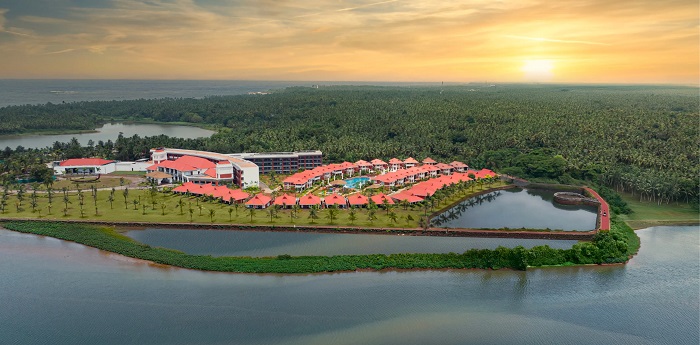
The success of Bekal can be measured with a simple metric: IHCL, the promoters of the Taj Brand, is building their fourth hotel project in Bekal after the successful launch of Taj Bekal Resort & Spa, The Gateway Bekal, and Vivanta by Taj, and now the budget brand Ginger. IHCL now has the highest inventory in the destination across different segments – from budget to mid-segment to luxury and wellness. The Lalit Bekal Resort and Malabar Ocean Resort & Spa are also doing good business in the area.
The combined effort of many administrators and government officials together created a strong foundation and made a dream come to reality.
The Missing Pieces
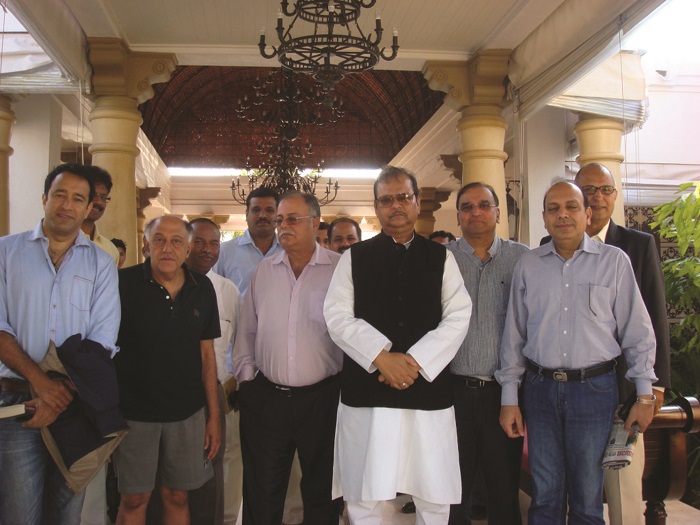
Despite the visionary planning and substantial investment, Bekal’s growth trajectory faced significant hurdles. Proper connectivity remained elusive. The lack of mid-segment and budget accommodation facilities prevented the destination from achieving its full potential. World-class luxury resorts alone couldn’t sustain a destination if travelers across different budget segments couldn’t find suitable options.
For years, this gap limited Bekal’s appeal. International tourists, in particular, remained elusive. While around 2,500 foreigners visited the fort in 2019 – the recent peak – this number dropped by 40% by 2023. Despite Bombay‘s huge popularity in India and abroad, only about 5% of international tourists visiting Kerala reached these stunning locations in northern Kerala.
The Changing Landscape
But fortunes are finally changing. In recent years, many new small and medium hotels, resorts, and homestays have been built by homegrown entrepreneurs, transforming the overall landscape of Bekal and Kasargod district. The destination now offers accommodation across all budget segments, making it accessible to diverse traveler demographics.
This diversification has been crucial. Now Bekal is ready to welcome any type of guest and host MICE events – conventions, conferences, and destination weddings that require a range of accommodation and venue options.
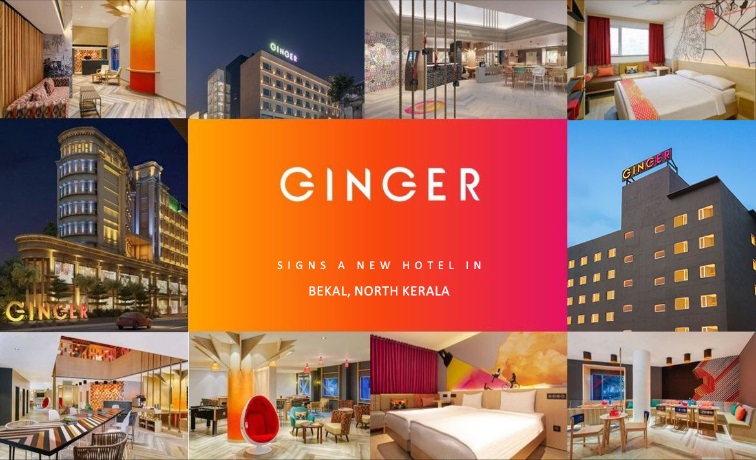
The changing landscape of Bekal gives me immense joy. Having traveled along the growth trajectory of Kerala tourism, I’ve witnessed the rise and fall, the highs and lows, the luck and misfortune of many destinations, entrepreneurs, and professionals in this field. Some succeeded spectacularly. Others never recovered from initial setbacks. The difference often came down to infrastructure, timing, and sustained commitment.
A Classical Success Story
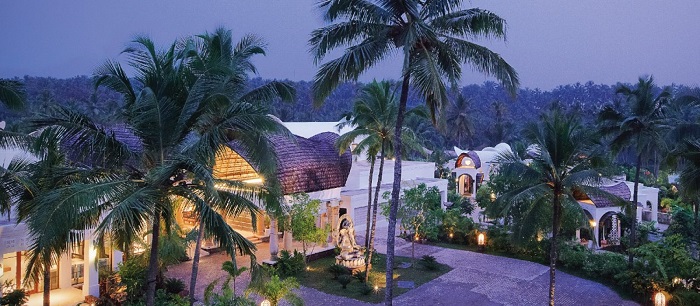
The success of Taj Bekal Resort & Spa stands as a classical example of how a good resort with focused marketing and quality service can consistently fill rooms and attract guests. Visitors come not just for luxury accommodation but to experience the serenity of Bekal beach, the gigantic presence of Bekal Fort, and the synchronized movements of Theyyam – the dance of God that remains an integral part of North Malabar’s cultural identity.
Taj succeeded where others struggled because they understood that infrastructure alone isn’t enough. World-class facilities must be matched with world-class service, consistent marketing, and genuine hospitality. They created an experience, not just a stay.
Cinema Tourism: Full Circle
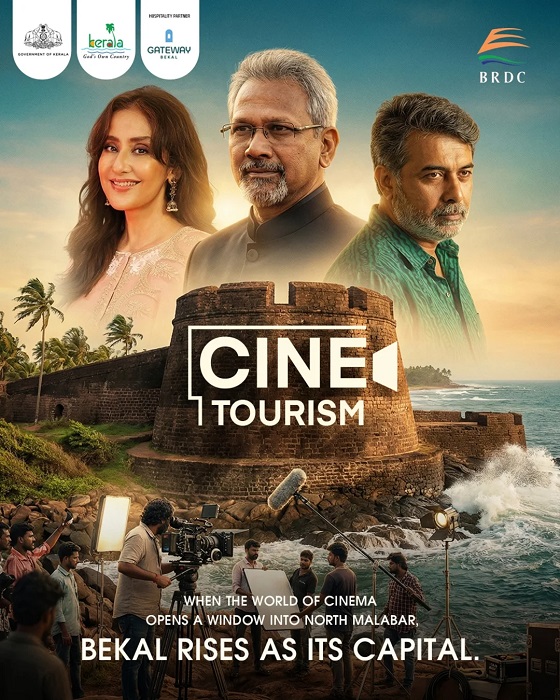
Now, three decades after Bombay first showcased Bekal’s beauty, Kerala Tourism is bringing Mani Ratnam, Manisha Koirala, and cinematographer Rajiv Menon back to the fort as part of promoting cinema tourism in Kerala. This initiative aims to promote tourist places that have become popular due to their appearance in films, drawing the attention of filmmakers in India and abroad to Kerala’s picturesque locations.
Minister P.A. Muhammad Riyas is expected to attend the anniversary celebrations on December 20 at Bekal Beach Park, along with the film’s crew. According to BRDC Managing Director Shijin Parambath, the event is expected to attract more tourists to Bekal and give a further boost to destination weddings in the region.
It’s a moment that feels like coming full circle. The film that put Bekal on the cinematic map – and perhaps inspired the government’s Rs. 1,000 crore investment – is being celebrated at the very location where it was shot, but this time in a destination that’s finally ready to welcome and accommodate the visitors it inspires.
Reflections on a Journey
Looking back across these decades, I see Bekal’s journey as a microcosm of Kerala tourism’s evolution – the challenges of infrastructure development in remote areas, the tension between preservation and development, the importance of political will and bureaucratic vision, the crucial role of timing in tourism success, and the power of cinema in destination branding.
I think about those Friday evening train journeys with Dr. Venu, walking through tobacco plantations and coconut farms, dodging houseflies, trying to imagine what this coastline could become. I think about the skeptics who feared tourism would destroy local culture, and the visionaries who believed quality tourism could uplift a region while preserving its character.
I think about the Bombay film crew arriving in 1994 to shoot at what would soon become a massive construction and development site, capturing images of a fort and a coastline that millions would fall in love with, creating memories that would endure for three decades – and perhaps unknowingly triggering a thousand-crore investment in the destination’s future.
And I think about where Bekal stands today – not yet perfect, not yet fulfilling all the dreams we dreamed in those heady days of the late 1990s, but so much further than that isolated beach showcased in Bombay.
The Road Ahead
As Manisha Koirala and Mani Ratnam walk Bekal beach once again, as they revisit the fort that provided the backdrop for their iconic romance, they’ll find a destination transformed. The infrastructure gaps are filling. The accommodation options are diversifying. The connectivity is improving. The local entrepreneurship is flourishing.
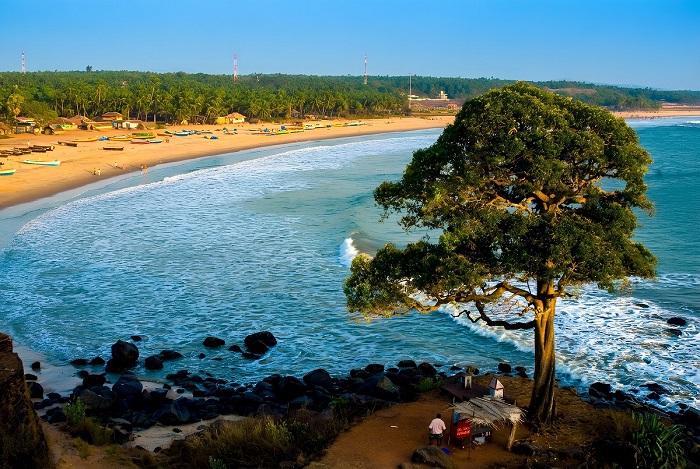
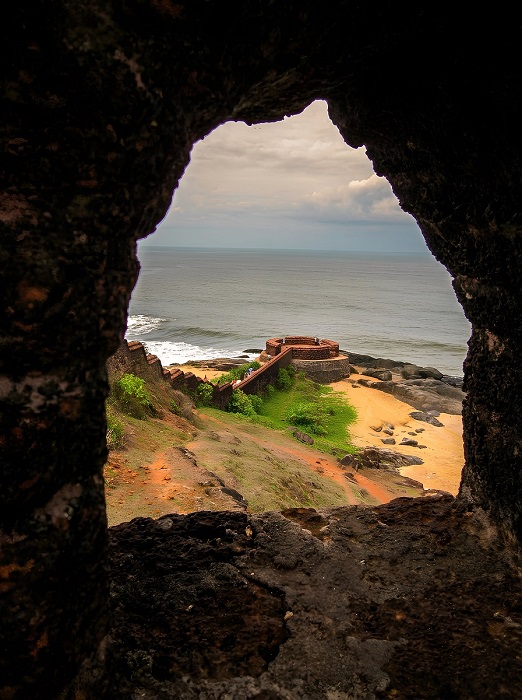
But they’ll also find – and I hope this remains true – the same essential beauty that attracted them thirty years ago. The same crashing waves against ancient laterite cliffs. The same majestic fort standing watch over the Arabian Sea. The same cultural richness of North Malabar that makes this region distinct within Kerala’s tourism landscape.
If we’ve done our job right – if Dr. Venu’s vision and the sustained efforts of BRDC and countless others have succeeded – Bekal will have grown and developed while retaining the soul that made it special in the first place.
That’s the delicate balance of tourism development: progress without destruction, growth without loss of character, modernization while respecting tradition.
As the strains of “Uyire Uyire” echo once more across Bekal Fort this December 20th, they’ll carry not just the memories of a beloved film, but the story of a destination’s journey from cinematic discovery to planned development to mature destination – a journey I’ve been privileged to witness, from those first Friday evening train rides to this moment of cinematic homecoming.
Bekal’s story is still being written. But what a story it’s been so far.
Ravisankar K.V. is a veteran tourism professional and travel photographer who has been involved with Kerala’s tourism development for over three decades. He was closely associated with the planning and initial development of the Bekal tourism project from 1995-2004 and documented the destination’s transformation through his photography, many frames of which are still used by Kerala Tourism for destination marketing.
Also Read
Watch on Youtube
