
Every great movement begins with a moment of truth. For India’s tourism sector, that moment came at Hampi – a UNESCO World Heritage Site that draws thousands of visitors annually to its magnificent ruins – when the absence of a single basic necessity exposed a gap that could no longer be ignored: clean, safe, and dignified sanitation for travelers.
That moment of shared frustration became the seed of a quiet revolution, one that is now offering a powerful, replicable blueprint for every heritage destination, pilgrimage site, and natural wonder across India.
The Spark That Started It All
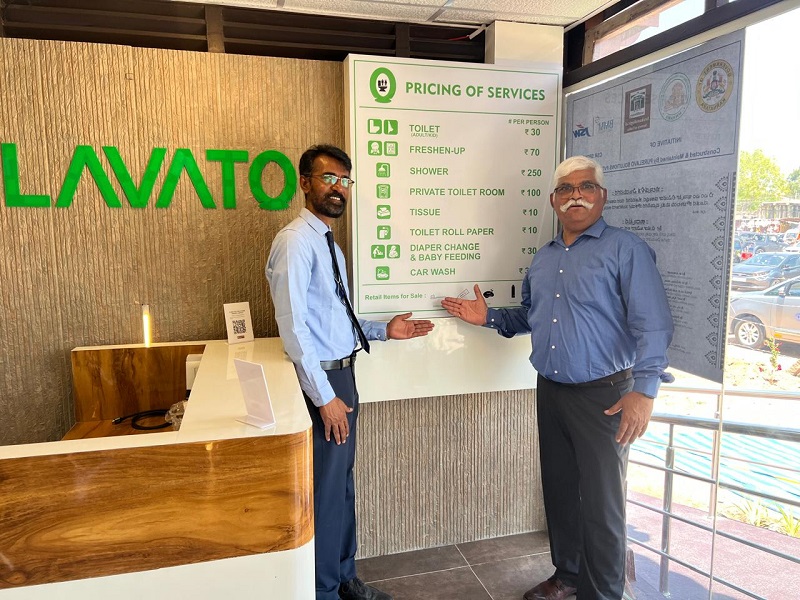
When a lady tourist and a member of the Rajya Sabha visited Hampi and found no clean, hygienic restrooms available, their experience made headlines. It was a frustration felt by millions of travelers across India – women in particular – who have long been forced to plan journeys around hydration levels rather than heritage.
That news report caught the attention of Mr. Ravi M of Arjun Tours and Travels, Founder Member of the Karnataka Tourism Forum (KTF) and Karnataka Tourism Society (KTS). Also a proud member of the IATO and TAAI, and a lifelong advocate for traveler welfare. For Ravi, it was not just a news story. It was a call to action.
A Citizen-Led Campaign That Reached the Highest Levels
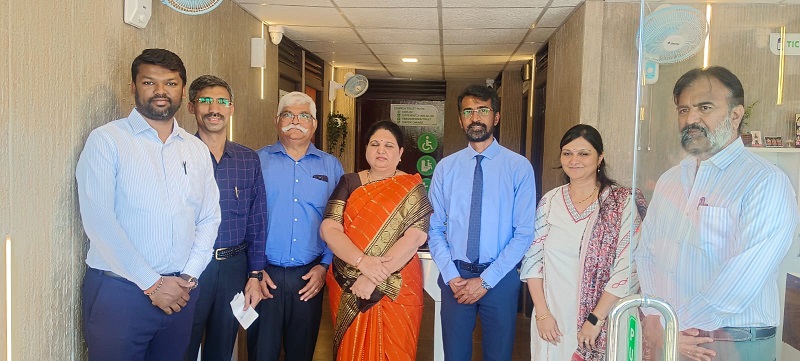
Ravi understood that lasting change requires collective voices. He rallied a wide network – particularly women – to write to the Prime Minister’s Office (PMO), detailing the sanitation crisis at Hampi. The response was swift and encouraging: the PMO formally acknowledged the issue and directed the concerned authorities to take action.
This was the first proof that a focused, citizen-led appeal could move the machinery of government.
The momentum continued when a high-level meeting was convened with the then State Tourism Minister, Mr. Anand Singh. Ravi presented the issue with clarity and urgency, earning an invitation to Hampi for a conference attended by the Union Minister of Tourism. In 2023, a formal proposal for a modern “Pay & Use” toilet facility was officially submitted, backed by a coalition of travel agents and Mr. Naveen Singh, CEO of Lavato Toilets, who became the technical architect of the vision.
Turning Vision Into Reality
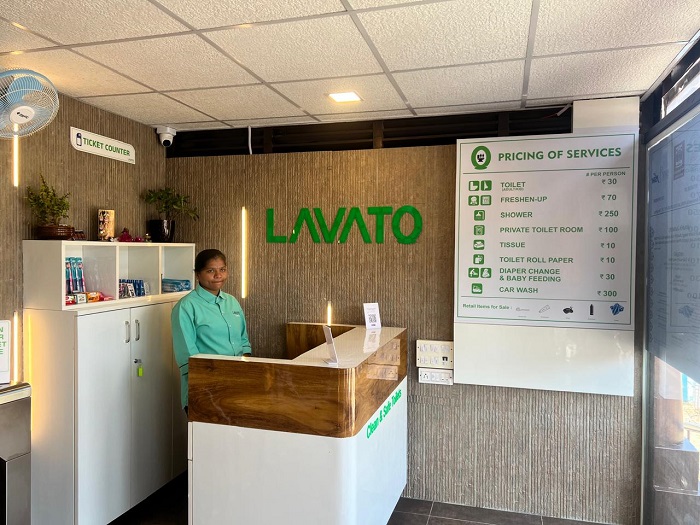
The path from proposal to physical structure was neither quick nor easy. Over three years, Mr. Naveen worked patiently through the complexities of the Archaeological Department to secure land allotment within Hampi’s sensitive heritage zone – a process that required extraordinary care and persistence.
The funding challenge was met through an inspiring public-private partnership. BMM Isphat Ltd stepped forward with Corporate Social Responsibility (CSR) funding to cover construction costs. Ravi himself stood as guarantor and secured a personal loan of ₹10 lakhs to get the project moving – a rare act of personal commitment from a citizen who believed deeply in the cause.
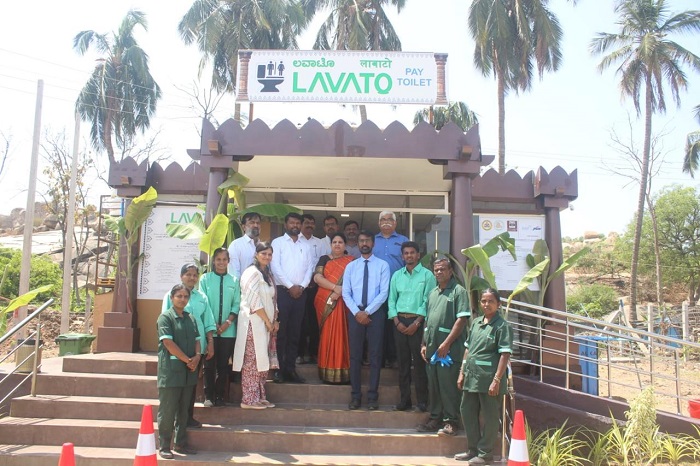
On 20th March, the facility was officially launched by Ms. Kavitha Mallikeri IAS, DC Vijayanagara, in the presence of Mr. Vivek, AC Vijayanagara; Mr. Ramesh, Commissioner of HWHAMA; and Mr. Ganesh Hegde, Head of HR & Admin at BMM Isphat Ltd. A dream three years in the making had become a reality.
More Than a Toilet – A Philosophy of Dignified Travel
What sets this initiative apart is its vision beyond mere functionality. Ravi recognized that the barren, sun-scorched parking area surrounding the facility was an opportunity waiting to be transformed.
A sapling-planting drive was launched alongside the toilet project, with the goal of creating a lush, welcoming garden where travelers can rest comfortably – whether under the summer sun or in winter’s chill.
“The whole parking place is barren. A beautiful garden with the toilet facility – so tourists can sit comfortably and relax,” says Ravi, articulating a philosophy of Sanitation through Beautification – the belief that public facilities must not only serve visitors, but genuinely welcome them.
This integrated approach – clean restrooms, green surroundings, and community pride – is what makes the Hampi model worthy of replication nationwide.
A Blueprint Ready for India
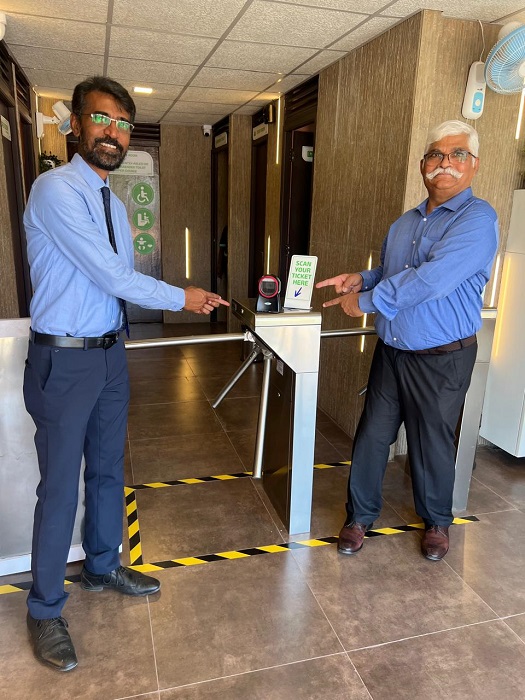
The success at Hampi is not just a local victory. It is a tested, scalable model that can be adapted at heritage monuments, pilgrimage towns, hill stations, and wildlife corridors across the country. The key elements are already in place:
- Citizen advocacy to identify the need and build public pressure
- Government partnership at state and central levels to enable permissions and support
- CSR funding from industry to bridge financial gaps
- Private technical expertise from specialists like Lavato Toilets to ensure quality
- Community ownership to sustain and maintain the facilities long-term
Ravi is already taking this model forward. The next targets are the popular tourist circuits of Coorg, Chikmagalur, and Sakleshpur in Karnataka’s Western Ghats – regions beloved by nature lovers and trekkers, yet chronically underserved in sanitation infrastructure. Permissions are being sought from the Chief Minister, Deputy Chief Minister, and the Tourism Ministry to fast-track expansion.
“I am planning to get Pay & Use toilets at all tourist destinations and ensure that tourists visiting Karnataka will not face any difficulty finding clean, hygienic facilities,” says Ravi – a vision that, if realized statewide, could transform Karnataka into a model for the rest of India.
The Bigger Picture: Sanitation as the Foundation of World-Class Tourism
Tourism experts consistently note that quality infrastructure – especially basic sanitation – directly influences how long travelers stay, how much they spend, and whether they return. For women travelers especially, the availability of clean, safe restrooms is often the deciding factor between choosing a destination or avoiding it entirely.
When travelers know that dignified facilities await them – at Hampi, at Ajanta, at Khajuraho, at Kedarnath – the psychological barrier to exploration dissolves. India’s extraordinary cultural and natural heritage deserves infrastructure that matches its grandeur.
The Hampi project demonstrates that this is achievable – not through massive government programs alone, but through passionate individuals, smart partnerships, and the determination to refuse mediocrity in public service.
A Movement Whose Time Has Come
As the saplings planted at Hampi grow slowly into shade-giving trees, they will stand as living symbols of what is possible when citizens, industry, and government work together with a shared purpose.
Ravi’s gratitude goes to all who made this possible – the Bengaluru Tourist Taxi Operators Association, Mr. Shivanna, Mr. Rajkumar, Mr. Ramesh, and every individual who signed an email, attended a meeting, or believed in the mission.
The message to policymakers, tourism boards, and CSR teams across India is simple and powerful: the blueprint exists. The model works. The time to act is now.
No traveler – Indian or international – should ever have to choose between their health and their desire to witness this country’s magnificence. Clean, safe, and dignified sanitation is not a luxury. It is the foundation upon which truly world-class tourism is built.
One clean restroom at a time, India’s tourism story is being rewritten -and Hampi has shown us exactly how it’s done.
Also Read
12TH GREAT WINE CAPITAL OF THE WORLD
Watch on Youtube
