
It is one of India’s most historically layered regions – home to Bahmani sultanate tombs, Vijayanagara-era fortresses, a Sikh shrine that draws pilgrims from across the country, and handicrafts with a global reputation. Yet “Kalyan Karnataka”, the sprawling northern stretch of the state comprising Bidar, Kalaburagi, Yadgir, Raichur, Koppal, and Ballari, has long remained off the radar of mainstream tourism itineraries. A workshop held in Bengaluru, on 26 March 2026 is trying to change that.
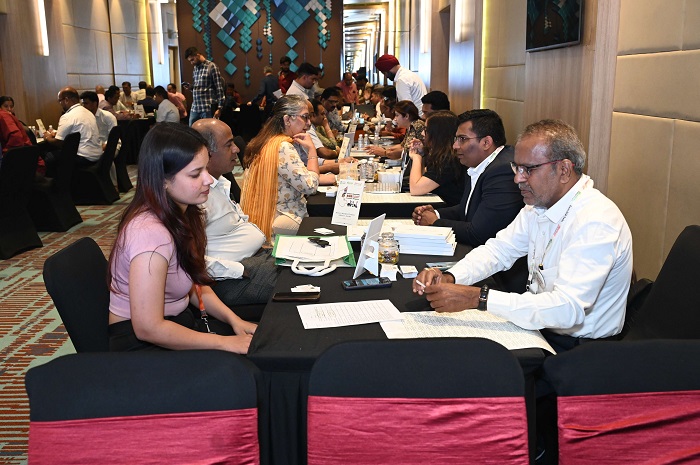
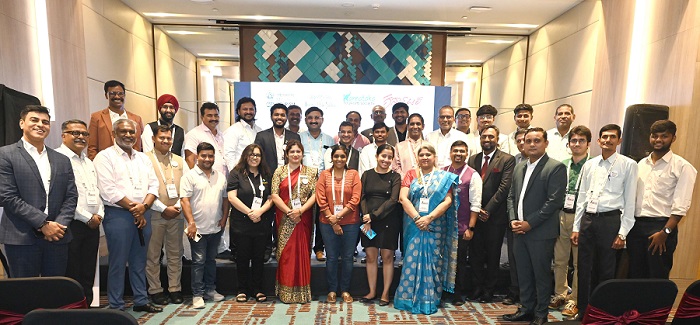
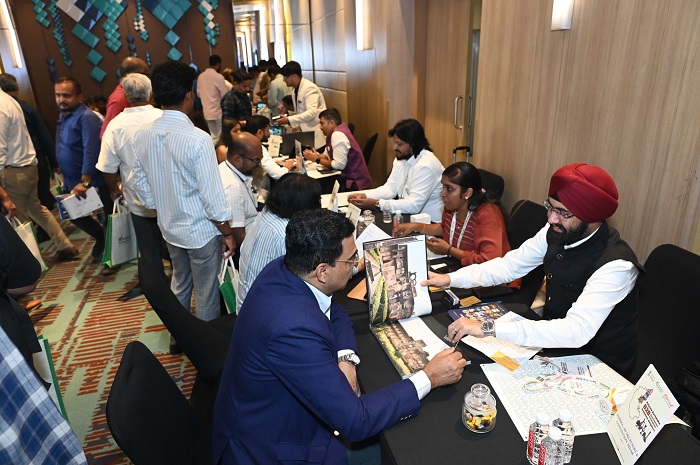
The Explore Kalyan Karnataka Knowledge Sharing Workshop and B2B Meeting, organised by the Karnataka Tourism Society (KTS) in association with the Ministry of Tourism, Government of India, and the Department of Tourism, Government of Karnataka, concluded at Holiday Inn Bengaluru Racecourse with over 150 buyers and 20-plus sellers from across the state in attendance. The event brought together hoteliers, tour operators, heritage properties, and government tourism bodies under one roof – with the explicit goal of getting Kalyan Karnataka onto the itineraries of travel professionals who, until now, may have routed clients straight past it.
What the Region Has to Offer
The workshop made a deliberate case for the breadth of Kalyan Karnataka’s appeal. The destination showcases Bidar Fort and its Bahmani-era tombs, Kalaburagi Fort, the Jama Masjid, and a constellation of Vijayanagara heritage sites. Spiritual landmarks featured prominently too – Gurudwara Nanak Jhira Sahib, the Narasimha Jhira Cave Temple, and Sharan Basaveshwara Temple among them – reflecting a region where history and devotion have been intertwined for centuries.
A live demonstration of Bidriware, the distinctive handicraft form of Bidar known for its intricate silver inlay work on a darkened zinc-copper alloy base, drew particular interest. The craft has an international collector following, yet remains little known among domestic leisure travellers – a gap that the tourism push is keen to address. Nature and wildlife rounded out the picture, with blackbuck sightings in Bidar and eco-tourism potential in Ballari and Koppal adding an outdoor dimension to what might otherwise be seen as a purely heritage circuit.
The Stakeholders in the Room
The depth of trade participation signalled that industry interest in the region is genuine. Among those represented were Clarks Inn Hampi, Evolve Back Hampi, Hyatt Place Hampi, Royal Orchid Kireeti, WelcomHeritage Shivavilas Palace, Jungle Lodges and Resorts, the Karnataka State Tourism Development Corporation, and several Bidar and Kalaburagi-based operators including GI-Trips, Flymego Tours, Inspira by SRS Resort, and Vintage Retreat Resort – a mix of established hospitality brands and locally rooted specialists.
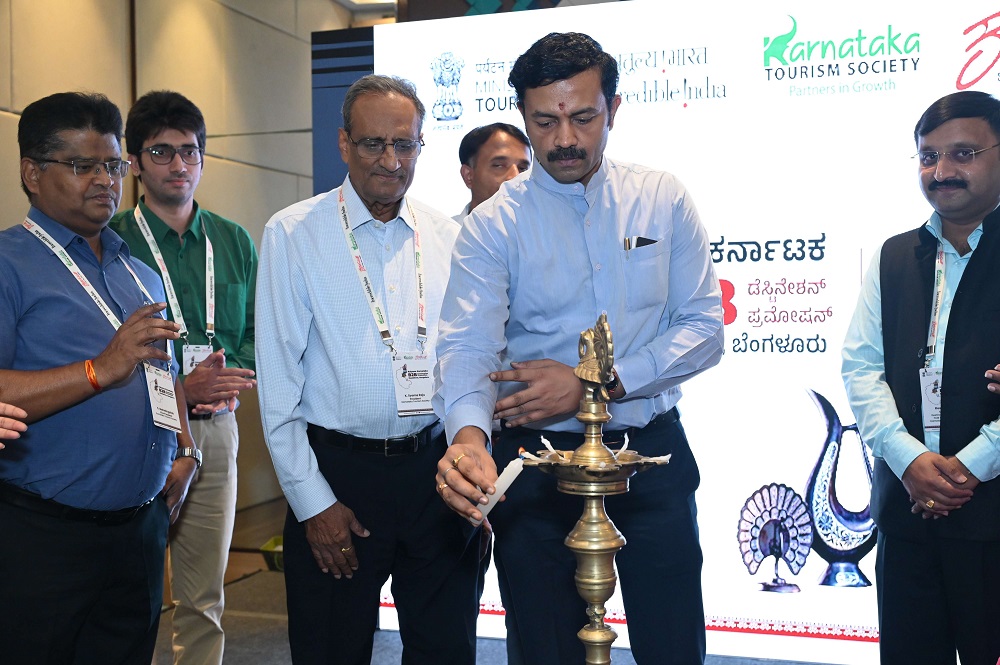
The event was inaugurated by Dr. Trilok Chandra, IAS, Secretary to the Government’s Tourism Department, alongside Ms. Sandhya Haridas, Director of India Tourism Bengaluru, KTS President Syama Raju, and other office bearers.
What the Voices in the Room Said
Dr. Trilok Chandra set the policy context clearly. The Kalyan Karnataka region, he said, deserves far greater visibility in India’s tourism landscape, and the Government of Karnataka has initiated several programmes under its Tourism Policy 2024–29 to make that happen – focusing on destination development, heritage conservation, and community participation. The goal, he emphasised, is not just more visitors but balanced regional growth and meaningful livelihood creation for local communities.
KTS President Syama Raju framed the initiative in terms of its practical ambition: getting tour operators to actually include Kalyan Karnataka in the packages they sell. “By bringing together stakeholders under one platform, we are not only promoting destinations but also empowering local communities through tourism,” he said. “We expect this engagement to translate into stronger trade interest, with tour operators including Kalyan Karnataka in their itineraries.”
D. Venkatesan, Regional Director of India Tourism South, connected the initiative to the national Dekho Apna Desh campaign – the Government of India’s push to encourage domestic travellers to explore destinations beyond the well-worn circuits. “This region, with its forts, temples, crafts, and living traditions, represents the diversity of India’s tourism offering,” he said, adding that destinations like Bidar, Kalaburagi, and Ballari deserve their “rightful place in itineraries and promotions.”
The Larger Opportunity
What the Bengaluru workshop ultimately demonstrated is that the infrastructure of interest – the hotels, the operators, the government backing, the heritage assets – already exists in Kalyan Karnataka. What has been missing is visibility and the active involvement of the travel trade in packaging and selling the region to Indian tourists.
If workshops like this succeed in shifting that equation even modestly, the impact could be significant: not just in visitor numbers, but in the livelihoods of artisans, the preservation of under-visited heritage sites, and the broadening of Karnataka’s tourism story well beyond the beaches of the coast and the parks of the south.
The Karnataka Tourism Society, for its part, has signalled this is the beginning of an ongoing effort – and with the region’s extraordinary depth of history, culture, and natural beauty waiting to be discovered, the timing could hardly be better.
