
When Maldivian – the national carrier of the Republic of Maldives – touched down at Thiruvananthapuram International Airport for the first time on January 25, 2008, it carried with it more than passengers. It carried the promise of a deeper, enduring relationship between two SAARC neighbours separated by the Arabian Sea but bound together by history, culture, and shared aspiration.
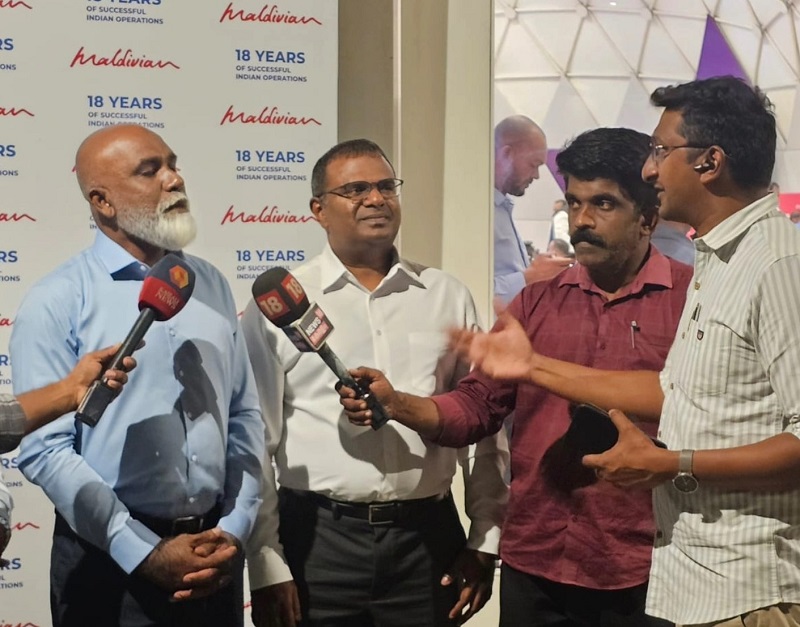
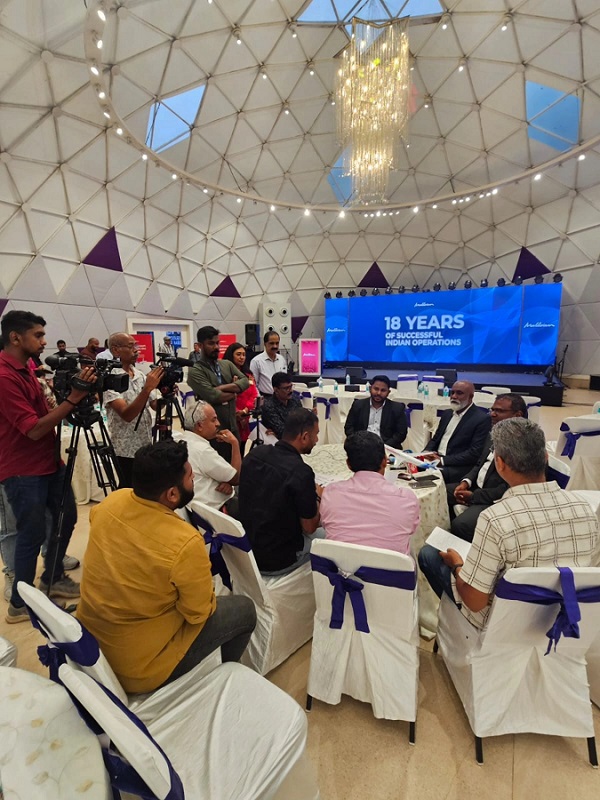
Eighteen years on, that promise has been richly fulfilled. On January 29, 2026, Maldivian celebrated this milestone with a special commemorative event in Thiruvananthapuram, bringing together airline leadership, travel trade partners, healthcare institutions, educational bodies, and long-serving staff – all of whom have helped shape one of South Asia’s most consequential aviation corridors.
From a Single Propeller to a Fleet of 26
The story of Maldivian in Thiruvananthapuram mirrors the airline’s own remarkable growth. Operations began modestly in 2008 with a 50-seat aircraft on the Malé – Thiruvananthapuram sector. By late 2012, the route had grown enough to warrant a transition to the Airbus A320, and today the airline operates a fleet of 26 aircraft – including an Airbus A330-200, an Airbus A320, five ATR turboprops, eight Dash 8 aircraft, and 11 DHC-6 Twin Otters.
The Thiruvananthapuram sector now sees five weekly frequencies (Monday, Wednesday, Thursday, Friday, and Saturday), with the wide-body A330-200 deployed during peak travel seasons to accommodate surging demand. In 2013, Maldivian extended its South India network further by launching Hanimaadhoo – Thiruvananthapuram services, providing the northern Maldives with a direct gateway to Kerala. The Malé – Kochi route, added in 2019, now also operates five times weekly, firmly establishing South India as the airline’s most strategically important regional market.
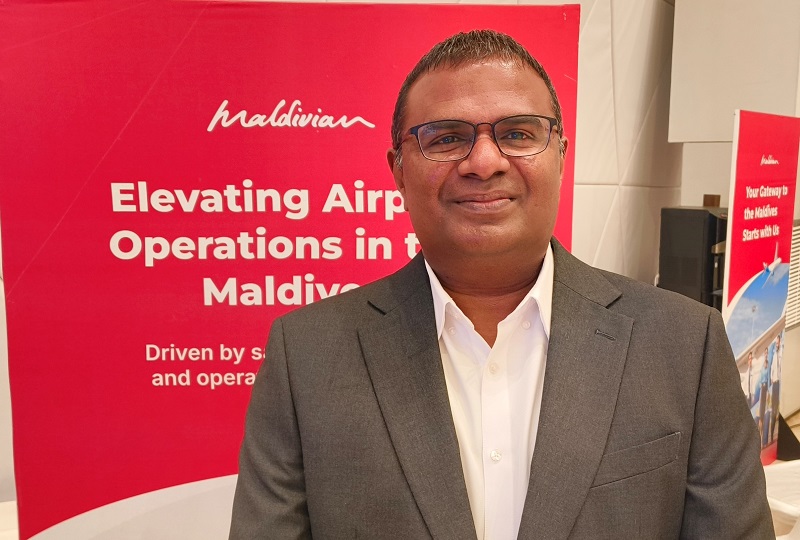
“India has been an integral part of Maldivian’s international journey for the past 18 years,” said Ibrahim Iyas, Managing Director of Maldivian. “This milestone is a tribute to the dedicated staff, trusted partners, and loyal customers who have supported us throughout the years.”
Kerala’s Hospitals: A Lifeline Across the Sea
Perhaps no single factor has shaped this route more profoundly than Kerala’s world-class healthcare infrastructure. The Maldivian government provides its citizens with universal health coverage that extends beyond domestic facilities – a policy that explicitly includes hospitals in South India. The result has been a steady, year-round flow of Maldivian patients, accompanied by family members, arriving in Thiruvananthapuram in search of specialised medical care.
Premier institutions such as Sree Chitra Tirunal Institute for Medical Sciences and Technology, KIMSHEALTH, Ananthapuri Hospitals, Anadiyil Hospital, GG Hospital, SUT Hospital, and PRS Hospital have become trusted names in Maldivian households – particularly for long-term treatments in cardiology, oncology, neurology, orthopaedics, organ transplantation, and fertility care. This medical travel corridor has significantly boosted Kerala’s reputation as a medical value travel destination, adding meaningfully to the state’s healthcare tourism revenues year after year.
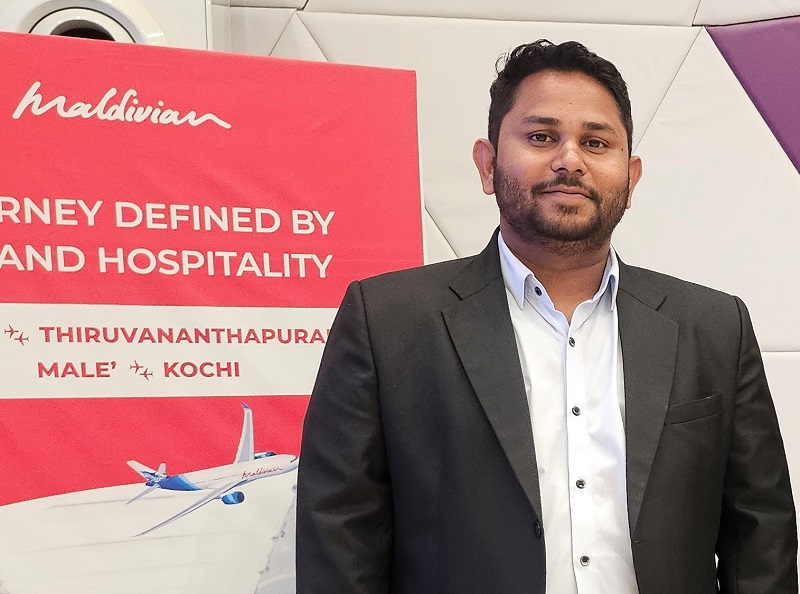
Mr. Mohamed Saffah, General Manager Commercial at Maldivian, noted that demand from medical travellers was a primary driver behind the recent increase to five weekly flights on the Thiruvananthapuram route. “Hospitals in Kerala are highly popular in the Maldives, especially for long-term treatments. For patients, Thiruvananthapuram or Kochi is the most sought-after destination,” he said.
Shaping a Generation of Maldivian Tourism Professionals
Beyond healthcare, Thiruvananthapuram has quietly played a transformative role in the human capital story of the Maldivian tourism industry.
When the Maldives was building its tourism sector from the ground up, one of its greatest challenges was finding trained, skilled professionals to staff its rapidly expanding resorts, airlines, and hospitality businesses. Kerala’s universities and professional institutes stepped into that gap. Institutions such as the University of Kerala, the Kerala Institute of Tourism and Travel Studies (KITTS), ITATS, and the various Aviation and travel institutions attracted young Maldivian nationals eager to pursue careers in tourism, travel, hospitality, and aviation.
Many of those graduates returned home to become the backbone of the Maldivian tourism industry – filling roles in luxury island resorts, destination management companies, airline operations, and tourism administration. In a very real sense, classrooms in Thiruvananthapuram helped build the Maldives into one of the world’s most celebrated island tourism destinations.
A Vital Lifeline for Malayalee Expatriates
Long before the route became synonymous with medical travel and tourism, it served a deeply personal purpose for thousands of Keralite families. In the early 1990s and through the 2000s, Air Maldives – the initial avatar of what is today Maldivian – provided a crucial lifeline for Malayalee workers heading to the Gulf. The Thiruvananthapuram-Malé-Dubai sector became a well-trodden path for tens of thousands of Keralites employed in the United Arab Emirates, Saudi Arabia, Qatar, and across the wider Middle East. Malé functioned as a key transit node, bridging Kerala and the Gulf at a time when direct options were limited and affordable connections were precious. For families separated by employment and distance, this three-point air corridor was not a convenience – it was the thread that held homes together.
The Tourism Tide Turns Both Ways
The corridor has always served a dual purpose, and tourism flows in both directions illustrate just how dynamic this relationship has become.
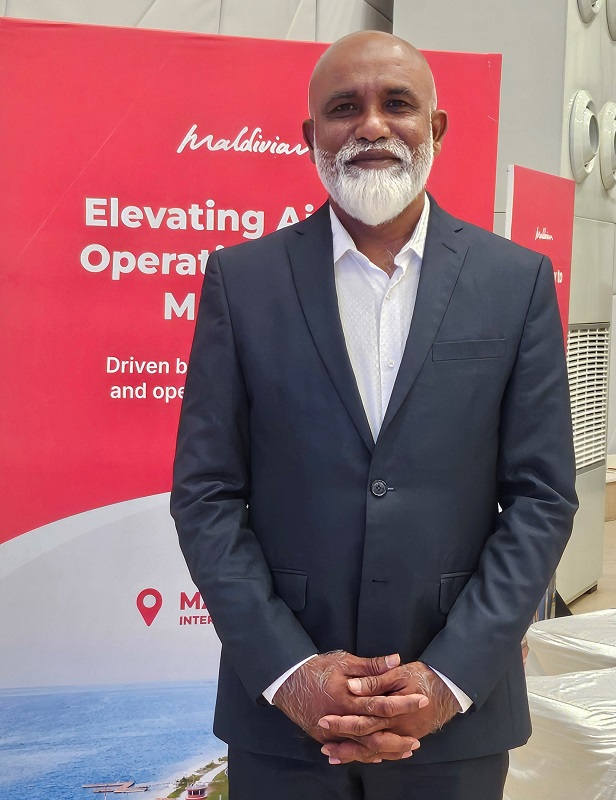
For Indian travellers – particularly from Kerala and Tamil Nadu – the Maldives, marketed worldwide as the “Sunny Side of Life,” has become one of the most accessible aspirational destinations in the region. Short flight times, competitive fares, and seamless connections to luxury island resorts have made it a favoured choice for honeymooners, families, and premium leisure travellers. Passenger arrivals from India rose from 130,805 in 2024 to 189,929 in 2025 – a surge that reflects growing Indian outbound tourism and the confidence that direct connectivity engenders.
In the other direction, Maldivian visitors continue to choose Kerala – “God’s Own Country” – for medical treatment, education, shopping, and leisure, drawn by the state’s improving urban infrastructure, world-class hospitals, and warm cultural familiarity.
Mr. Ahmed Shafeeu, Chairman of Island Aviation Services Limited and Minister of State for Higher Education, summarised it well: “Medical tourism in Kerala, along with a sizeable number of Indian nationals working in sectors such as construction, tourism, healthcare, and education, has been central to the airline’s growth and success.”
Maldivian Cargo: Keeping the Islands Supplied
Beyond passengers, Maldivian’s Thiruvananthapuram operations have played an equally vital role on the cargo front. The Maldives, as an island nation dispersed across the Indian Ocean, depends heavily on imports to meet the everyday needs of its people – and Thiruvananthapuram, as the closest international airport to Malé, has long been the most logical and cost-effective gateway for those supplies. Over the years, Maldivian Cargo has transported thousands of tonnes of essential goods across this short but critical sea-air corridor – fresh vegetables and groceries, household items, construction and building materials, electrical and electronic equipment, textiles and dress materials, and vital medical supplies. The geographic proximity of Thiruvananthapuram directly translates into lower freight costs, savings that ultimately flow through to the price of imported goods on Maldivian shelves and building sites.
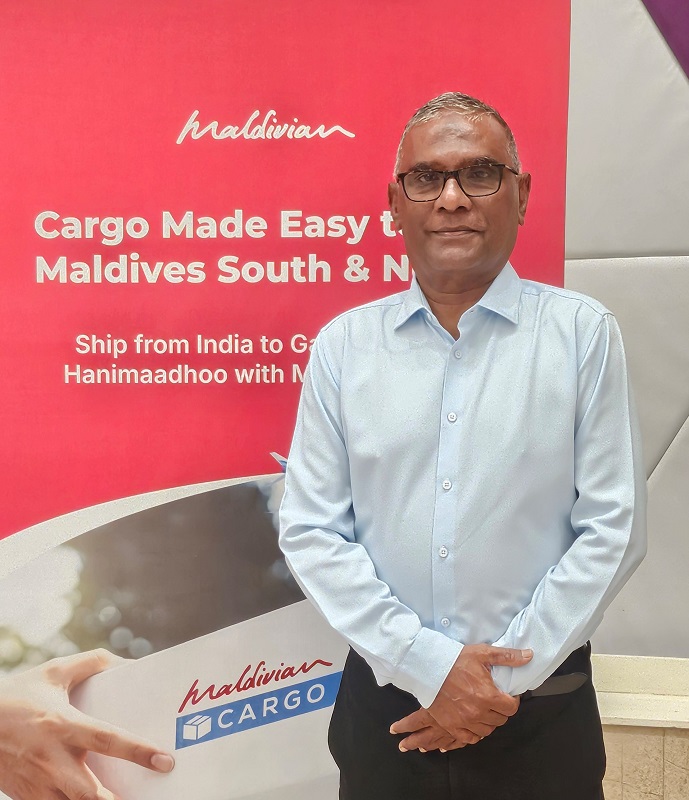
Few understand this history better than Ahmed Saleem, General Manager Cargo at Maldivian, who shares a bond with Thiruvananthapuram that stretches back decades. As Station Manager of Air Maldives here in the late 1990s, he watched this corridor grow from its earliest days, forging relationships with the Kerala travel trade that endure to this day. “Thiruvananthapuram has always been special to me – professionally and personally,” said Saleem. “In those early years, the travel agents, freight forwarders, and trade partners in Kerala were not just business associates; they were the people who believed in this route and helped us build it. The warmth and support we received from the Kerala trade community was extraordinary, and I believe that foundation is a big reason why both our passenger and cargo operations have grown so strongly in this sector over the decades. Today, when I see the volumes we move through Thiruvananthapuram – the groceries reaching Maldivian kitchens, the building materials going into new homes, the medical supplies reaching clinics – I feel immense pride in what we built together.”
For ordinary Maldivian families and businesses alike, the cargo hold of a Maldivian aircraft departing Thiruvananthapuram carries as much meaning as its passenger cabin. Today, Maldivian Cargo continues to be a significant and steady revenue stream for the airline, reinforcing the enduring commercial logic of the Thiruvananthapuram–Malé corridor well beyond tourism and travel.
Thiruvananthapuram: Transformed by 18 Years of Connectivity
The city of Thiruvananthapuram itself has grown enormously over the same period. Once regarded primarily as a state capital with strong government and academic roots, it has evolved into a dynamic metropolitan centre with advances in international healthcare, higher education, information technology, retail, hospitality, and urban infrastructure. This transformation has made it an increasingly attractive destination for regional visitors, and Maldivian’s uninterrupted presence has both reflected and reinforced that growth.
Looking to the Horizon
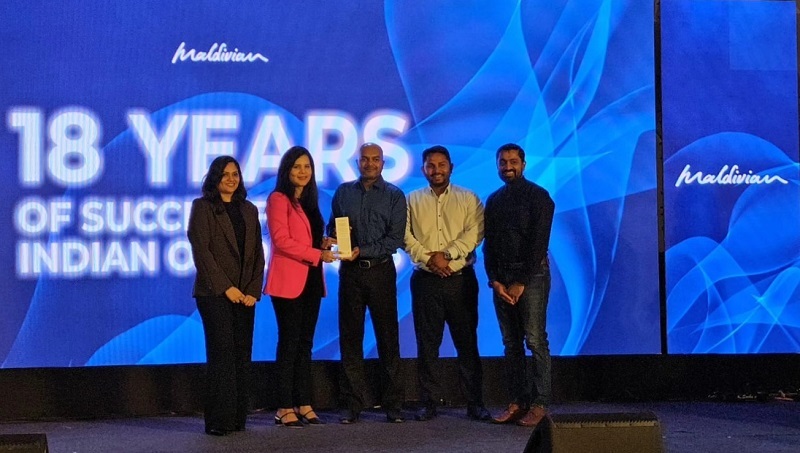
As Maldivian marks 18 years in Thiruvananthapuram, its Managing Director confirmed the airline is on an expansion drive in India, with plans to add two more Indian cities to its network in the near future. With Indian outbound tourism to the Maldives on a steep upward curve, medical travel from the Maldives to Kerala continuing at pace, and educational and commercial exchanges deepening, the Thiruvananthapuram – Malé air corridor is poised for its most consequential chapter yet.
What began as a regional route has become something far greater – a permanent thread in the fabric of two neighbouring nations, woven together by shared aspiration, mutual need, and eighteen years of faithful service.
