
For decades, Udaipur has been the city travellers came to admire from a distance. Its palaces, lakes and royal architecture made it one of India’s most evocative destinations, often associated with leisurely escapes and grand celebrations. But a new rhythm is beginning to shape the city. Beyond its heritage, Udaipur is increasingly becoming a destination for travellers looking for experiences that bring together wellness, fitness, culture and community.
This changing rhythm reflects a broader evolution in what travellers now seek from a destination. The idea of a holiday is increasingly moving beyond sightseeing towards experiences that combine wellness, community and discovery. In that context, Udaipur is emerging as an unexpected contender. Known increasingly as Zinc City, it is developing an identity that extends beyond its heritage, shaped by a growing professional ecosystem, an active lifestyle culture and a cityscape where nature remains part of everyday life.
On World Tourism Day, this evolution offers a chance to look at how Udaipur is expanding its tourism identity while retaining what has always made it distinctive. Much of this transformation has taken place alongside the city’s socio-economic evolution. Over the past few decades, Hindustan Zinc has brought engineers, technology specialists and professionals from across India to Udaipur. Many arrived for their careers and eventually chose to build their lives here. As this ecosystem grew, so did the demand for new experiences, recreation and community spaces, contributing to a city that feels increasingly contemporary without losing its distinctive character. Hindustan Zinc’s long-standing legacy in the region with its people, communities, culture and industrial progress. The intent is to establish Zinc City as a complementary identity to Udaipur’s celebrated “City of Lakes” positioning.
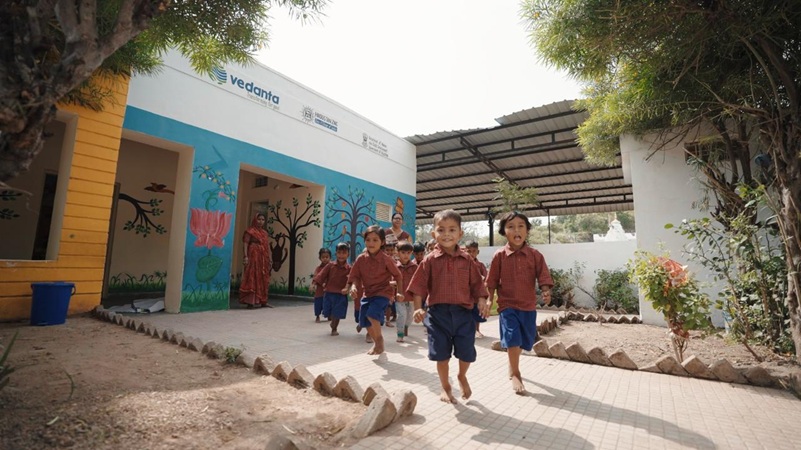
The changing character of Zinc City is also visible in the communities and experiences being built around it. Hindustan Zinc’s presence in Udaipur extends beyond its operations, with social impact initiatives creating spaces for education, livelihoods, sport and community development through social impact initiatives. ‘Sakhi’ supports women and their livelihoods, ‘Nandghar’ focuses on early childhood development and community wellbeing, while the ‘Zinc Football Academy’ provides structured sporting opportunities for young talent. Together, these initiatives have become part of the larger ecosystem around the city.
Perhaps the clearest expression of this shift can be found in the way Udaipur is experiencing fitness and the outdoors.
The Vedanta Zinc City Half Marathon, organised by Hindustan Zinc in association with Anybody Can Run, has become an important part of Udaipur’s emerging sporting identity. The third edition, held on 6th September 2026, brought together runners against the backdrop of Fateh Sagar Lake and the Aravallis. Rather than simply navigating city roads, participants experienced Udaipur through its lakes, hills and distinctive landscapes, turning the marathon into a destination experience in its own right.
For participants travelling from outside the city, the appeal extends well beyond the race. A marathon weekend can become a complete Udaipur itinerary: an early morning run followed by a lakeside breakfast, an afternoon exploring local heritage and culture, and an evening discovering the city’s food and music scene. The marathon effectively becomes another way of seeing Udaipur, through movement rather than from behind a car window.
But the city’s new tourism identity is not limited to fitness. Culture remains equally important to how a new generation experiences a destination. Hindustan Zinc’s association with the Vedanta Udaipur World Music Festival has added another dimension to this cultural landscape, bringing music, artists and audiences together in the city and creating another reason for visitors to experience Udaipur beyond its traditional tourist circuit.
Together, these initiatives are contributing to a city where tourism is not only about looking at Udaipur but participating in it. That intersection of travel and wellbeing is likely to become increasingly important. For a new generation of travellers, luxury is not only about where they stay; it is also about how they experience a place. It can mean clean surroundings, access to nature, meaningful activities and the opportunity to return home feeling refreshed rather than simply entertained.
Udaipur offers that combination almost naturally. Its heritage remains its strongest draw, but its emerging wellness culture is adding another reason to visit. A traveller can explore centuries-old architecture, spend an afternoon by the lake, experience the city’s music and culture, and discover its growing sporting identity through a run surrounded by the Aravallis.
This is where the idea of Zinc City becomes particularly relevant. Hindustan Zinc’s presence in Udaipur is not limited to its economic contribution. Its operations, community initiatives and cultural and platforms have become part of the evolving story of the city. From creating opportunities for communities to supporting sport and bringing cultural experiences to the city, these efforts are helping add new layers to how Udaipur can be experienced.
The city will always belong to its palaces and lakes. But increasingly, its mornings belong to runners, its communities to new possibilities, and its calendar to experiences that bring people together.
And perhaps that is the real story of Zinc City. Udaipur is not moving away from its past; it is finding new ways to bring that past into the present, creating a destination where heritage, wellness, culture, community and modern living can exist side by side.
Also Read
ITB India 2026 Concludes in Mumbai
Watch on Youtube
