
By Ravisankar KV
After weeks of geopolitical turbulence that sent shockwaves through global aviation and tourism, the announcement of a two-week ceasefire between the United States and Iran has brought cautious but genuine optimism back to India’s inbound tourism sector, particularly in Kerala and the broader Goa and South India circuit.
The pause in hostilities, which aims to reopen the Strait of Hormuz and create space for negotiations, may be temporary. But for India’s Arab tourism market, the timing could not be more significant. The GCC holiday season begins in June – and the industry is daring to hope again.
“Guests Are Coming Back”
The first signs of a turnaround are already visible on the ground.
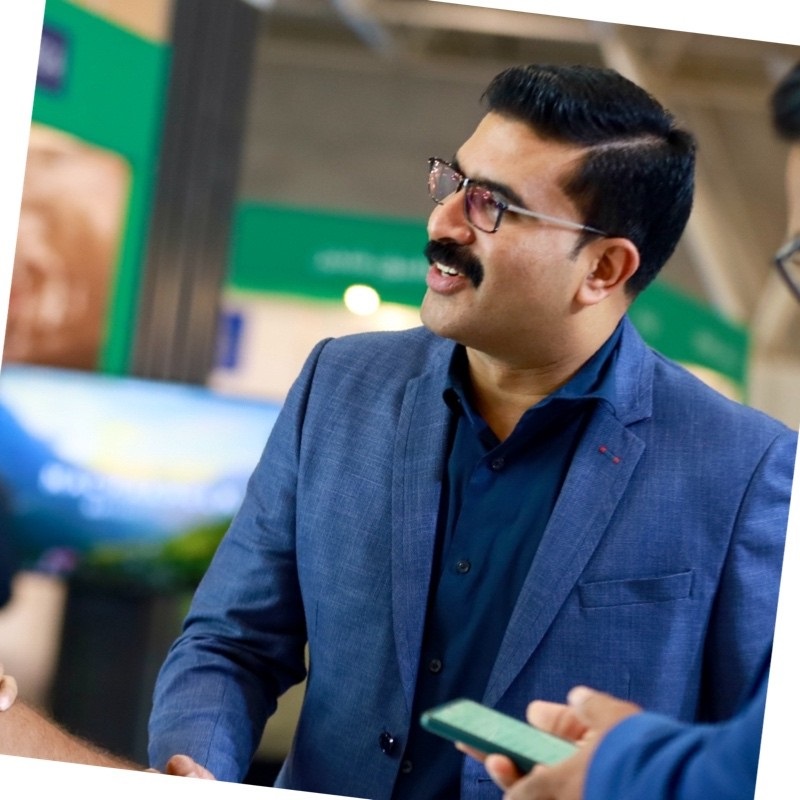
Mr. Jihad Hussain, Managing Director of Gateway Malabar Holidays – a leading Arab – specialised destination management company with operations across India and the GCC – says the mood has shifted noticeably. “Guests from the UAE and Saudi Arabia have started visiting Kerala again. This is a happy and positive sign for the tourism sector in India. Kerala continues to be a safe and peaceful place to rest and relax.”
He notes that while numbers remain modest in the immediate post-Ramadan period, the directional change is meaningful. “Even though the numbers are small, we can see a slight positive change. Let us hope the issues in the region will be sorted out soon.”
However, Hussain is quick to flag a structural problem that risks undermining the recovery before it can gather momentum. “The visa issue is still not resolved. At present, we are unable to process visas on behalf of passengers as we used to earlier. This is a new challenge,” he says – a concern that strikes at the operational heart of the inbound business. For GCC travellers accustomed to seamless, agent-facilitated visa processing, any friction in that journey can be enough to redirect bookings towards competing destinations that offer a simpler path to entry. Industry stakeholders are urging the Indian government to address this gap urgently, before the June holiday season window opens in earnest.
Industry Confidence Rebuilding Ahead of the Arab Holiday Season
The optimism is not limited to arrivals already on the ground. Across GCC markets, enquiries are picking up and forward bookings are beginning to move.
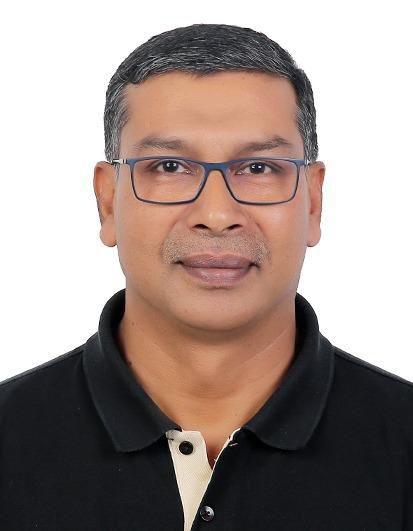
Mr. Rasheed Kakkat, President of the Association of Arab Tour Operators and Managing Director of GTM Holidays – one of the most prominent B2B destination management operators headquartered in Muscat, Oman – says his counterparts across the region are reporting a meaningful shift in sentiment. “The new development is much more reassuring. We have already started getting good enquiries from various GCC markets for the upcoming season.”
He adds that industry stakeholders from Saudi Arabia, Oman, and the UAE are expressing clear confidence in a recovery. “The optimism is very much there. Most of the industry is expecting a good turnaround from June, which is when the Arab holiday season begins.”
Kerala, he confirms, remains the first choice for a significant segment of Arab travellers – familiar, trusted, and offering the kind of natural beauty and restful atmosphere that the GCC market has long prized – followed by Goa and Karnataka.
A Window of Opportunity – But One That Must Be Seized Quickly
The ceasefire arrives at a strategically important moment for Indian tourism, and industry leaders are clear-eyed about what it means. Arab travellers who would ordinarily have planned holidays to the United States, United Kingdom or Europe – both of which have seen sharp declines in GCC outbound travel amid the regional tensions – are now actively reconsidering their options. India, and Kerala in particular, is well positioned to benefit.
But the window is not uncontested. Rasheed Kakkat sounds a note of urgency that the broader industry would do well to heed. “The marketing initiatives already started in the GCC by Vietnam, Malaysia, and Indonesia will be a real threat for the Indian inbound market. The Ministry of Tourism, Government of India, and Kerala Tourism must start their marketing efforts immediately to reap the prospects available.”
His association and its members have already moved proactively, opening communication with counterparts across GCC and West Asian markets and expanding the destination portfolio being presented to Arab travellers. Beyond the traditional Kerala and Golden Triangle circuits, the association is now actively promoting Coorg, Chikmagalur, Mysore, and the Bengaluru circuit – giving Arab tourists a richer, more varied picture of South India’s offerings.
“We are expecting support from various state tourism departments to join us for destination promotion,” Kakkat says. “This is the moment to act together.”
Indo Arab Connect 2026: The Industry Bets on September
The trade community is already organising around the opportunity. Tourism India Media Group has announced Indo Arab Connect 2026, a landmark travel trade event scheduled for September 2-4 in Kochi. More than 160 high-profile tour operators from Saudi Arabia, the UAE, Oman, Kuwait, Bahrain, Qatar, Jordan, and Egypt have already confirmed participation – a strong signal that the Arab travel trade sees India as a priority destination for the season ahead.
The event is expected to serve as a significant platform for destination promotion, B2B networking, and the kind of direct market engagement that translates into bookings and arrivals.
The Bigger Picture: Why This Moment Matters
The scale of what the conflict cost the global tourism and aviation industry in a matter of weeks is sobering. Tourism losses crossed twelve billion dollars within the first twenty days. Airlines faced fuel costs that nearly doubled overnight, with thousands of flights cancelled and routes disrupted across Asia, Europe, and the Middle East. The full-year projected impact on global tourism runs into the tens of billions.
India was not immune. Higher airfares, disrupted connectivity through Middle Eastern hubs, and a sharp decline in GCC arrivals all took their toll on what had been a strong recovery trajectory for inbound tourism.
But the ceasefire, even in its current provisional form, changes the calculus. GCC travellers are mobile, high-spending, and actively seeking alternatives to destinations that now feel uncertain. India offers safety, familiarity, extraordinary natural diversity, and a tourism ecosystem that has spent years cultivating strong relationships with the Arab market.
Recovery will not be instant. Industry analysts suggest that full normalisation of travel sentiment may take anywhere from three to eighteen months. But the direction of travel – if India moves with urgency and purpose – is clear.
Kerala’s Moment
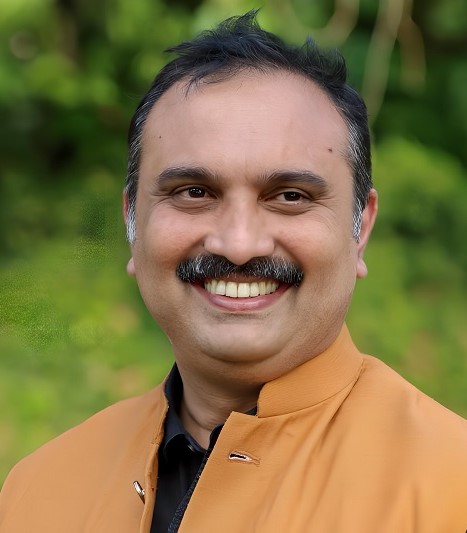
The luxury hospitality segment shares cautious optimism. Mr. Asish Nair, Vice President of the RP Group – which owns the premium Raviz Hotels and Resorts chain – reflects a sentiment common across Kerala’s upscale properties. “Over the last two seasons we received a good number of high-spending Arab travellers, and we were genuinely optimistic heading into this season as well. When the conflict erupted in early March, it put us in serious concern. But this ceasefire news, even if it is for two weeks, gives us real hope – we believe it may continue further and that peace will prevail. The world always looks for peace, and so do travellers.”
Mr. Asish Nair adds that the early market signals are encouraging. “The enquiries are promising. Our Arab tour operator counterparts are giving us confident and optimistic notes about the revival, and we are expecting a good turnaround despite the current uncertainty.”
For Kerala, the picture is especially promising. The state’s longstanding reputation as a preferred destination for Arab travellers, its monsoon-season appeal during the June-to-August window that coincides precisely with the GCC holiday period, and the deep relationships that Kerala-based operators have built across Gulf markets over decades – all of these converge into a genuine opportunity.
The question is not whether the demand will return. The early signals suggest it will. The question is whether India’s tourism establishment – at the national level and across the key destination states – will match the moment with the speed, investment, and coordination it demands.As Rasheed Kakkat puts it simply: “This is the time.”
