
By Ravisankar K.V
A Defining Moment for India’s Tourism Economy
As India prepares for the Union Budget 2026–27, set to be presented on February 1, 2026, by Hon’ble Union Finance Minister Smt. Nirmala Sitharaman, the tourism, travel, and hospitality sector stands at a decisive inflection point. What began as a fragile post-pandemic recovery has evolved into a sustained demand cycle, positioning tourism as one of India’s strongest engines for economic growth, employment generation, and regional development.
The sector, which contributes nearly 7–8% to India’s GDP, is no longer seeking temporary relief or short-term stimulus. Instead, industry leaders are calling for fundamental structural reforms that can transform tourism from a service industry into a core infrastructure and growth driver – one capable of sustaining long-term competitiveness on the global stage.
With domestic tourism at historic highs, international arrivals steadily recovering, and investments expanding into Tier II and Tier III destinations, Union Budget 2026 represents a critical opportunity to reposition India Tourism as a strategic national asset, on par with leading global destinations.
The Strategic Context: Tourism as Economic Powerhouse
The economic significance of tourism extends far beyond traditional metrics. The sector has demonstrated resilience, adaptability, and remarkable growth potential across multiple dimensions:
Economic Impact: Tourism contributes substantially to GDP, foreign exchange earnings, and tax revenues while demonstrating strong multiplier effects across allied sectors including aviation, railways, hospitality, handicrafts, food services, and local commerce.
Employment Generation: As a labor-intensive sector with low entry barriers, tourism creates millions of direct and indirect jobs, particularly for youth, women, and communities in remote or economically disadvantaged regions.
Regional Development: Unlike concentrated industrial development, tourism enables economic activity in heritage towns, coastal areas, hill stations, pilgrimage centers, and rural destinations – spreading prosperity more equitably across India’s diverse geography.
Soft Power Diplomacy: Tourism serves as India’s most accessible cultural ambassador, shaping global perceptions, building people-to-people connections, and reinforcing India’s position as an ancient civilization embracing modern progress.
Financial Inclusion: The sector supports millions of micro, small, and medium enterprises (MSMEs), from street vendors and handicraft artisans to boutique hotels and local tour operators, creating pathways for entrepreneurship and upward mobility.
Given this multidimensional impact, industry stakeholders believe tourism deserves recognition not merely as a service sector, but as strategic infrastructure warranting systematic, long-term policy support.
Infrastructure Status: The Foundational Demand
Perhaps the most persistent and strategically significant expectation from Union Budget 2026 is granting infrastructure status to the entire hospitality and tourism ecosystem-not limited to select segments, star categories, or designated destinations.
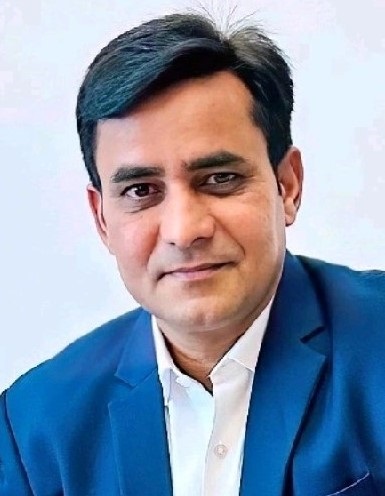
Dinesh Yadav, Founder & Managing Director, Fine Acers, articulated this imperative clearly: “As we approach Budget 2026, the hospitality sector is looking for structural policy support that reflects its growing economic contribution and long-term capital intensity. With the industry projected to grow at a CAGR of 10–11%, driven by domestic tourism, MICE, and experiential travel in Tier II and III destinations, a comprehensive policy overhaul – not short-term remedies – is critical.”
Yadav emphasized that granting infrastructure status would unlock access to long-term, low-cost financing crucial for hospitality projects with extended gestation periods of five to eight years. Unlike manufacturing or retail, hospitality demands significant upfront capital for land acquisition, construction, licensing, and pre-operational expenses, yet generates returns gradually through occupancy build-up over multiple years.
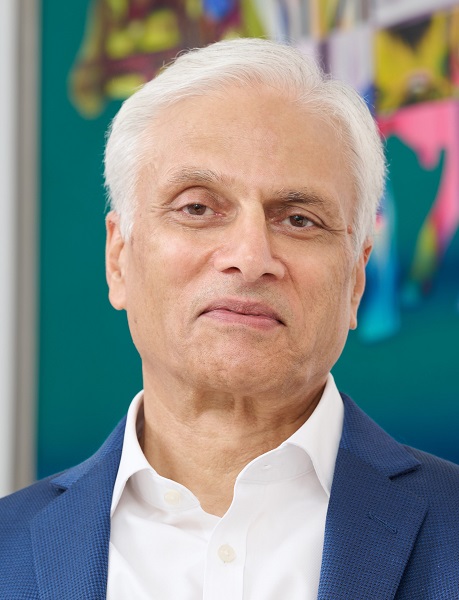
Ajay K. Bakaya, Chairman, Sarovar Hotels & Director, Louvre Hotels India, reinforced this argument, noting that infrastructure status would be transformative, particularly for emerging destinations: “Granting infrastructure status to hotels across India – especially in Tier II and III destinations, heritage towns, and emerging tourist centers – will unlock affordable financing and drive fresh investments.”
Currently, hospitality projects struggle to secure institutional finance at competitive rates, as banks and financial institutions classify them as commercial real estate with higher risk profiles and shorter lending tenures. Infrastructure status would fundamentally change this equation, enabling developers to access priority sector lending, longer repayment periods, lower interest rates, and institutional finance from pension funds, insurance companies, and infrastructure debt funds.
This becomes particularly critical as domestic demand is already outpacing supply due to land acquisition challenges, complex regulatory approvals, environmental clearances, and long development cycles. Infrastructure status would accelerate the supply response, preventing demand leakage to international destinations and ensuring that India’s tourism boom translates into domestic economic gains.
GST Rationalization: From Complexity to Competitiveness
The second major expectation centers on comprehensive rationalization of the Goods and Services Tax (GST) structure applicable to hospitality and tourism services.
Currently, hotels face a multi-slab GST structure based on room tariffs: zero tax on rooms below ₹1,000, 12% on rooms between ₹1,001–₹7,500, and 18% on rooms above ₹7,500. While this progressive structure aims to protect budget travelers, it creates significant operational complexity, compliance burden, and competitive distortions.

Ramit Sethi, Founder, Seclude Hotels, advocated for simplification: “Budget 2026 should make it easier and more attractive for Indians to explore destinations beyond the usual circuits. Clear tax incentives for sustainable hospitality, adaptive reuse, energy efficiency, and local sourcing can meaningfully support quality-led growth.” Sethi specifically recommended uniform 5% GST on rooms up to ₹9,000 and on food and beverage services, bringing parity between standalone restaurants and hotel outlets.
The current system also creates anomalies where bundled services (room with breakfast, spa packages, conference packages) face ambiguity in tax treatment, leading to compliance challenges and disputes. Industry leaders are seeking clarity that food and beverage taxation be delinked from room tariffs, with a uniform concessional rate applied to in-house dining to simplify compliance, improve transparency, and support profitability.
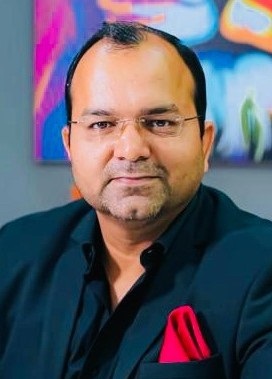
Dr. Vikas Katoch, Founder & CEO, Adotrip, emphasized this from a digital travel platform perspective: “As India’s travel industry continues its robust recovery, Budget 2026 must rationalize GST and make compliance more seamless. Easier access to credit and continued support for sustainable tourism initiatives will benefit both consumers and businesses, enabling innovation and healthy competition.”
GST rationalization matters not just for operational efficiency but for price competitiveness. Indian hospitality faces growing competition from Southeast Asian destinations like Thailand, Vietnam, and Indonesia, where overall tax incidence on tourism is significantly lower. Reducing GST burden would make Indian hotels more price-competitive internationally while boosting domestic affordability – creating a virtuous cycle of higher occupancy, improved profitability, and reinvestment capacity.
Connectivity Infrastructure: Unlocking India’s Tourism Geography
While India’s metropolitan destinations and established tourist circuits enjoy reasonable connectivity, vast swathes of tourism potential remain inaccessible due to inadequate last-mile connectivity, limited air and rail services, and poor road infrastructure.

Govind Gaur, CEO, WanderOn, highlighted this critical bottleneck: “As we look ahead to Budget 2026, the sector hopes for continued emphasis on infrastructure-led growth and consumer confidence. Domestic tourism can truly anchor India’s tourism ecosystem if the focus remains on airport expansion, improved rail travel, and last-mile connectivity.”
The industry is seeking accelerated implementation and expansion of several connectivity initiatives:
Aviation Infrastructure: Expansion of the UDAN (Ude Desh ka Aam Nagrik) regional connectivity scheme to include more Tier II and Tier III destinations, development of greenfield airports in tourism-rich states, upgradation of existing airports to handle international traffic, and rationalization of aviation turbine fuel (ATF) taxation to improve airline economics and route viability.
Railway Tourism: Enhanced allocation for luxury tourist trains beyond existing offerings like Palace on Wheels and Maharajas’ Express, development of dedicated pilgrimage circuits with modern Vande Bharat trains, creation of hill railway experiences, and integration of railway stations with local tourism infrastructure.
Road Connectivity: Completion of Bharatmala Pariyojana highway projects linking tourism destinations, development of scenic highway corridors with traveler amenities, improvement of last-mile rural connectivity to heritage villages and eco-tourism sites, and creation of dedicated tourism signage and wayfinding systems.
Multimodal Integration: Development of integrated transport hubs connecting air, rail, and road networks, creation of seamless ticketing and information systems, and establishment of tourism transit points with essential traveler services.
Ajay Bakaya noted that “continued investments in aviation and regional connectivity will unlock new destinations and strengthen year-round demand,” reducing the current concentration of tourism activity in a few saturated destinations while spreading economic benefits across India’s diverse regions.
Destination Development: Moving Beyond Gateway Cities
India’s tourism economy has historically concentrated in a handful of gateway cities and iconic destinations – Delhi, Mumbai, Jaipur, Agra, Goa, Kerala backwaters, and select pilgrimage centers. While these destinations remain important, the sector is seeking systematic investment in developing Tier II and Tier III destinations with authentic cultural, natural, and heritage assets.
The industry expects Budget 2026 to prioritize integrated tourism circuit development linking complementary destinations – heritage towns with cultural attractions, spiritual centers with wellness offerings, coastal destinations with adventure tourism, and wildlife sanctuaries with eco-lodges.
This requires coordinated investment in basic urban infrastructure (water supply, sewage treatment, waste management), tourism-specific amenities (interpretation centers, museums, viewing points, trails), accommodation development, skill training for local communities, and destination marketing.
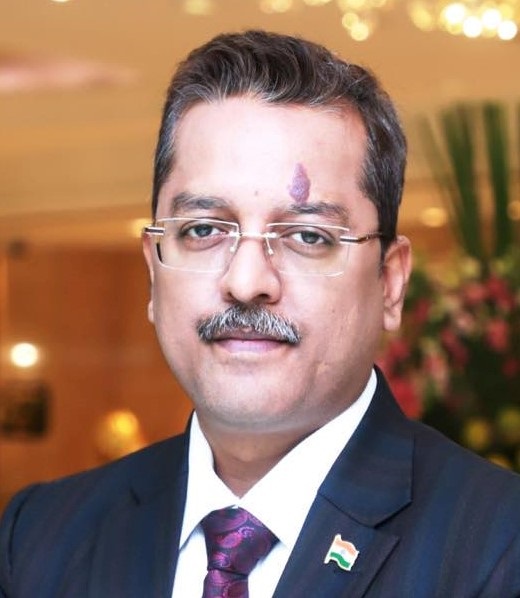
Abhijeet Sinha, Program Director – Ease of Doing Business, observed: “India’s cultural economy is emerging as a strategic growth engine. Investments in religious and cultural infrastructure, combined with connectivity, have already delivered measurable dividends. Budget 2026 should deepen this momentum.”
The government’s recent investments in pilgrim amenities at major religious centers like Varanasi, Ayodhya, Kedarnath, and Kashi Vishwanath have demonstrated how strategic infrastructure development can rapidly transform destinations, creating economic opportunities while preserving cultural authenticity.
Industry stakeholders are seeking extension of this model to heritage towns, Buddhist circuit destinations, tribal tourism zones, coastal stretches, and adventure tourism regions – creating a more distributed and resilient tourism geography.
Niche Tourism: Capturing High-Value Segments
Beyond volume growth, the industry is advocating for focused policy support for high-value, high-margin tourism segments that generate premium spending and extended stays:
Medical Value Travel (MVT): India’s healthcare infrastructure, clinical expertise, and cost advantages position it as a leading medical tourism destination. The sector seeks dedicated immigration facilitation, medical visa streamlining, accreditation support for hospitals, and international marketing of India’s MVT capabilities.
Wellness and Ayurveda Tourism: With growing global interest in holistic wellness and traditional medicine, India possesses unique advantages in Ayurveda, Yoga, and meditation tourism. Industry expectations include quality certification for wellness centers, practitioner training programs, research and development support, and global branding of authentic Indian wellness experiences.
Cruise and Coastal Tourism: Despite extensive coastline, India’s cruise tourism remains underdeveloped. The sector seeks investment in cruise terminals, streamlined immigration and customs procedures, development of coastal circuits, and incentives for cruise operators.
Adventure and Eco-Tourism: India’s diverse landscapes – from Himalayan peaks to Western Ghats rainforests—offer immense adventure tourism potential. Requirements include safety certification frameworks, insurance mechanisms, guide training programs, and sustainable tourism guidelines balancing adventure activities with environmental conservation.
MICE (Meetings, Incentives, Conferences, Exhibitions): Business tourism generates high per-capita spending and year-round demand. The industry seeks development of world-class convention centers, competitive event bidding processes, tax incentives for international conferences, and streamlined visa procedures for business delegates.
Targeted support for these segments can significantly enhance India’s tourism value proposition, shifting the narrative from budget backpacking to premium experiential travel.
Human Capital: Addressing the Skills Gap
Tourism and hospitality are fundamentally people-centric industries where service quality directly impacts guest satisfaction, repeat visitation, and reputation. However, the sector faces chronic skilled manpower shortages, high attrition rates, and gaps between formal education and industry requirements.

Jyoti Mayal, Chairperson, Tourism and Hospitality Skill Council, emphasized workforce development as critical: “Budget 2026 must prioritize industry-aligned curriculum, modernized training with digital and AI integration, and stronger apprenticeship pathways. A future-ready, skilled workforce is central to achieving Tourism Vision 2047.”
Industry expectations for skill development include expansion of hospitality training institutes in emerging tourism destinations, stronger industry-academia collaboration ensuring curriculum relevance, subsidized certification programs for existing workforce upskilling, apprenticeship incentives encouraging on-the-job training, recognition of prior learning to formalize skills of informal sector workers, and integration of emerging technologies—digital platforms, revenue management systems, sustainability practices – into training programs.
The sector also seeks removal of regulatory barriers preventing foreign training partnerships and faculty exchanges that could accelerate knowledge transfer and quality enhancement.
As tourism expands into new destinations and segments, building local capacity becomes essential – both for service delivery and for ensuring that economic benefits accrue to local communities rather than being captured by external operators.
Sustainability and Responsible Tourism: Future-Proofing Growth
As global consciousness around climate change, environmental degradation, and cultural preservation intensifies, sustainable tourism is transitioning from optional virtue to competitive necessity.

“2025 has been a strong year for the hotel industry, driven by rising domestic travel, improved occupancy levels, and greater preference for branded hospitality. However, challenges such as high operational costs, talent shortages, and increasing compliance burdens continue to impact profitability. While government initiatives have supported tourism growth, the sector now needs deeper reforms. In the Union Budget 2026, we expect rationalization of GST, incentives for green and tech-enabled hotels, easier access to credit for expansion, and focused skill development. Strengthening infrastructure and promoting new tourist circuits will further accelerate demand and enable the industry to sustain its positive momentum.” said Dr. Vikram Kamat, Chairman and Managing Director of VITSKAMATS Group
Ramit Sethi advocated for “clear tax incentives for sustainable hospitality, adaptive reuse, energy efficiency, and local sourcing” that can meaningfully support quality-led growth without compromising environmental and social responsibility.
Industry expectations include fiscal incentives – accelerated depreciation, tax credits, or capital subsidies – for investments in renewable energy, water recycling systems, waste management infrastructure, and energy-efficient technologies; concessional financing for green building certifications (LEED, GRIHA) and sustainable tourism certifications; support for adaptive reuse of heritage buildings into boutique hotels and cultural centers; promotion of local sourcing requirements supporting regional agriculture, handicrafts, and cultural enterprises; and development of carrying capacity frameworks preventing over-tourism and destination degradation.
The sector recognizes that long-term competitiveness depends on preserving the very assets—natural beauty, cultural heritage, community authenticity – that attract visitors. Sustainable practices, therefore, represent not just ethical responsibility but strategic self-interest.
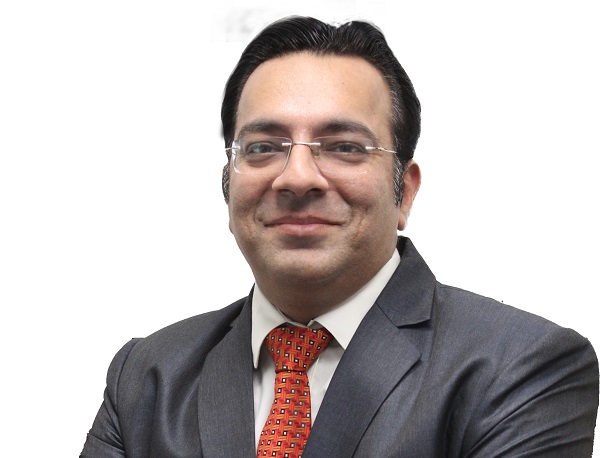
Mr. Sandeep Arora, Director, Brightsun Travel, expressed his optimism and concerns about Union budget, ” With Indians travelling more often and more globally, this Union Budget can significantly improve the economics of travel for Indian consumers and businesses alike. Outbound travel from India has already crossed pre pandemic levels with over three crore Indians travelling abroad annually while inbound interest in India continues to rebuild steadily.
The biggest wins can come from reducing friction through stronger support for air connectivity, smoother visa processes and more flexible bilateral air service frameworks, factors that directly shape both outbound demand and inbound arrivals. India has already expanded digital visa access to over 160 countries and strengthened regional connectivity, which shows that policy-led momentum is possible when processes are simplified.
What the industry now needs is alignment. Better route viability can help airlines add capacity where demand is already visible while value led outbound travel means even small cost or process efficiencies can meaningfully impact booking decisions. Across leisure VFR and student travel segments, intent is strong but conversion still depends on affordability and ease.
India is poised for a future ready travel ecosystem where existing gains in digital access and connectivity translate into faster conversions, higher volumes and more predictable growth across inbound and outbound travel.
Ease of Doing Business: Reducing Regulatory Friction
Despite improvements, tourism enterprises still navigate complex, multi-layered regulatory frameworks involving licenses, clearances, and compliance across central, state, and local authorities.
Industry stakeholders are seeking single-window clearance mechanisms consolidating approvals for new tourism projects, digitization of licensing and renewal processes reducing bureaucratic delays, rationalization of overlapping regulations between fire safety, health, environment, labor, and tourism departments, clarity on land use policies facilitating tourism development in appropriate zones, and streamlined processes for foreign collaboration, franchise agreements, and management contracts.
Ajay Bakaya specifically mentioned that “single-window clearances, green incentives, and stronger destination marketing are crucial to spreading tourism growth more evenly across regions.”
Reducing regulatory friction becomes particularly important for small and medium enterprises that lack the resources to navigate complex compliance requirements, often forcing them to remain in the informal sector without access to institutional finance, quality certifications, or integration into formal tourism value chains.
Marketing and Branding: Projecting India Globally
While India possesses extraordinary tourism assets-from UNESCO World Heritage Sites to spiritual traditions, from Himalayan landscapes to tropical beaches – its global marketing remains fragmented and under-resourced compared to competing destinations.
Industry leaders expect Budget 2026 to significantly enhance allocations for the Ministry of Tourism’s international marketing campaigns, participation in global travel trade shows and media familiarization programs, digital marketing leveraging social media and influencer partnerships, destination branding campaigns positioning India beyond stereotypical imagery, and collaborative marketing with state tourism boards and private sector ensuring message consistency.

Yogesh Mudras, Managing Director, Informa Markets in India (SATTE), summed up the industry outlook: “Tourism contributes nearly 7–8% to India’s GDP and is witnessing strong demand across domestic, religious, and medical tourism. Budget 2026 should reduce the cost of travel, strengthen connectivity, rationalize GST, and invest in skills – helping India sustain domestic growth while accelerating its global appeal.”
Effective global branding requires sustained, strategic investment – not sporadic campaigns – building India’s image as a safe, diverse, and value-rich destination across all traveler segments from backpackers to luxury tourists, cultural explorers to wellness seekers.
Allied Sectors: Broadening the Tourism Ecosystem
The tourism ecosystem extends beyond hotels and tour operators, encompassing fitness and wellness, transportation, cultural economy, and technology platforms – each requiring tailored policy support.
Vikas Jain, MD, Anytime Fitness India, urged recognition of fitness and wellness as preventive healthcare pillars deserving health infrastructure benefits and tax treatment rather than being classified purely as recreational services.
Manoj Soni, CEO, YoloBus & Easy Green Mobility, called for investments in green intercity transport and electric vehicle adoption, enabling sustainable tourism mobility while supporting India’s broader climate commitments.
These allied sectors amplify tourism’s economic impact while improving the overall traveler experience—seamless transportation, wellness amenities, cultural programming, and digital convenience all contribute to destination competitiveness.
The Domestic Tourism Foundation: Stay in India
While international tourist arrivals attract policy attention, domestic tourism constitutes the backbone of India’s tourism economy, accounting for over 90% of total tourist visits and generating substantial economic activity across diverse destinations.
Ramit Sethi emphasized this reality: “Budget 2026 should make it easier and more attractive for Indians to explore destinations within India,” moving beyond the usual circuits to discover the country’s extraordinary diversity.
Govind Gaur reinforced this perspective, noting that granting industry status to travel and tourism would “ease access to credit, lower financing costs, and make travel more affordable for consumers – boosting the circular economy.”
Policies supporting domestic tourism include tax deductions for domestic holiday expenses (similar to Leave Travel Concession but broader), affordable financing for domestic travel packages, promotion of lesser-known destinations through campaigns like “Dekho Apna Desh,” development of weekend and short-break tourism infrastructure near urban centers, and family-friendly pricing and facilities encouraging multi-generational travel.
A robust domestic tourism foundation provides year-round demand stability, reduces vulnerability to international market fluctuations, and ensures that tourism benefits circulate within the Indian economy.
Financial Inclusion: Supporting Tourism MSMEs
The tourism value chain comprises millions of micro, small, and medium enterprises-family-run guesthouses, local tour operators, handicraft shops, transport services, and cultural performers-who often lack access to formal finance, technology, or market linkages.
Industry expectations include priority sector lending quotas for tourism MSMEs, credit guarantee schemes reducing collateral requirements, simplified documentation for small-value loans, technology adoption grants for digital payment systems and online booking platforms, cluster development programs linking MSMEs with larger tourism enterprises, and capacity building supporting business planning, financial literacy, and quality standards.
Financial inclusion in tourism is not just about equity-it directly impacts service quality, destination authenticity, and community support for tourism development. When local communities benefit economically, they become active stakeholders in preserving cultural heritage and natural assets.
The Vision Ahead: Tourism Vision 2047
India’s tourism policy discourse increasingly references Tourism Vision 2047 – aligning sectoral development with the centenary of Indian independence and positioning tourism as a pillar of Viksit Bharat (Developed India).
Achieving this vision requires thinking beyond annual budget cycles toward sustained, strategic investments in infrastructure, human capital, technology, sustainability, and global positioning. Budget 2026 represents not an isolated fiscal event but a stepping stone in this longer journey.
The fundamental question before policymakers is whether tourism should continue being treated as a fragmented service sector receiving incremental support, or recognized as strategic infrastructure deserving the systematic policy architecture accorded to manufacturing, technology, or agriculture.
Industry leaders overwhelmingly advocate for the latter approach-arguing that tourism’s economic multiplier effects, employment intensity, regional development potential, and soft power contributions justify treating it as core national infrastructure.
The Way Forward: A Strategic Crossroads
As Union Budget 2026 approaches, India’s tourism, travel, and hospitality sector stands at a strategic crossroads. The post-pandemic recovery has demonstrated the sector’s resilience and growth potential. Domestic demand has surged to unprecedented levels. International interest is steadily returning. Investments are flowing into new destinations and segments.
Yet sustaining this momentum requires moving beyond reactive support toward proactive transformation. Infrastructure status, GST rationalization, connectivity investments, skill development, sustainability incentives, and regulatory simplification are not merely industry wish lists – they represent the policy architecture necessary to convert current opportunity into sustained competitive advantage.
Dinesh Yadav captured this imperative clearly: the sector needs “comprehensive policy overhaul – not short-term remedies.” Ajay Bakaya emphasized that reforms must extend “across India – especially in Tier II and III destinations, heritage towns, and emerging tourist centers.” Jyoti Mayal reminded that “a future-ready, skilled workforce is central to achieving Tourism Vision 2047.”
The government faces a choice: support tourism incrementally as one among many service sectors, or recognize it strategically as infrastructure capable of driving inclusive growth, employment generation, regional development, and global positioning.
Industry stakeholders are optimistic that Finance Minister Smt. Nirmala Sitharaman will recognize this strategic moment and unveil measures that don’t just support tourism – but fundamentally redefine it as a cornerstone of India’s economic transformation and global aspirations.
The world is traveling again. The question is whether India will merely participate in this global tourism recovery – or lead it. Union Budget 2026 will signal which path India chooses.
