
Japan has taken the top position in the World Economic Forum’s Travel & Tourism Development Index (TTDI) 2026, overtaking the United States, which led the 2024 index. India has moved up eight places to rank 31st among 110 economies, from 39th in 2024.

Japan rose two places from third in 2024 to claim the top spot. The United States slipped to second, and Spain, which was second in 2024, fell to third. Australia moved up from fifth to fourth, while France dropped from fourth to fifth. Germany, the UK and China held their 2024 positions of sixth, seventh and eighth, with Switzerland ninth and Italy tenth, having swapped places. China remained the only Asian economy other than Japan in the top 10. Japan’s rise coincides with record international arrivals, with 42.7 million visitors in 2025 and visitor spending of about $59.7 billion, according to the WEF.
Prepared by the WEF in collaboration with Zurich Insurance Group, the TTDI does not rank countries by tourist arrivals or spending. It assesses the conditions and policies that enable travel and tourism to develop sustainably and resiliently, including infrastructure, cultural and natural resources, connectivity, services and the overall tourism environment.

India scored 4.42 out of 7, a 4.3% improvement over its recalculated 2024 score and 1.4% above its 2019 score of 4.36 under the new methodology. India has come a long way from 65th position in 2014 and ranks first among South Asian and lower-middle-income countries. Along with China and Mexico, it is among the top 10 economies globally for World Heritage cultural sites.
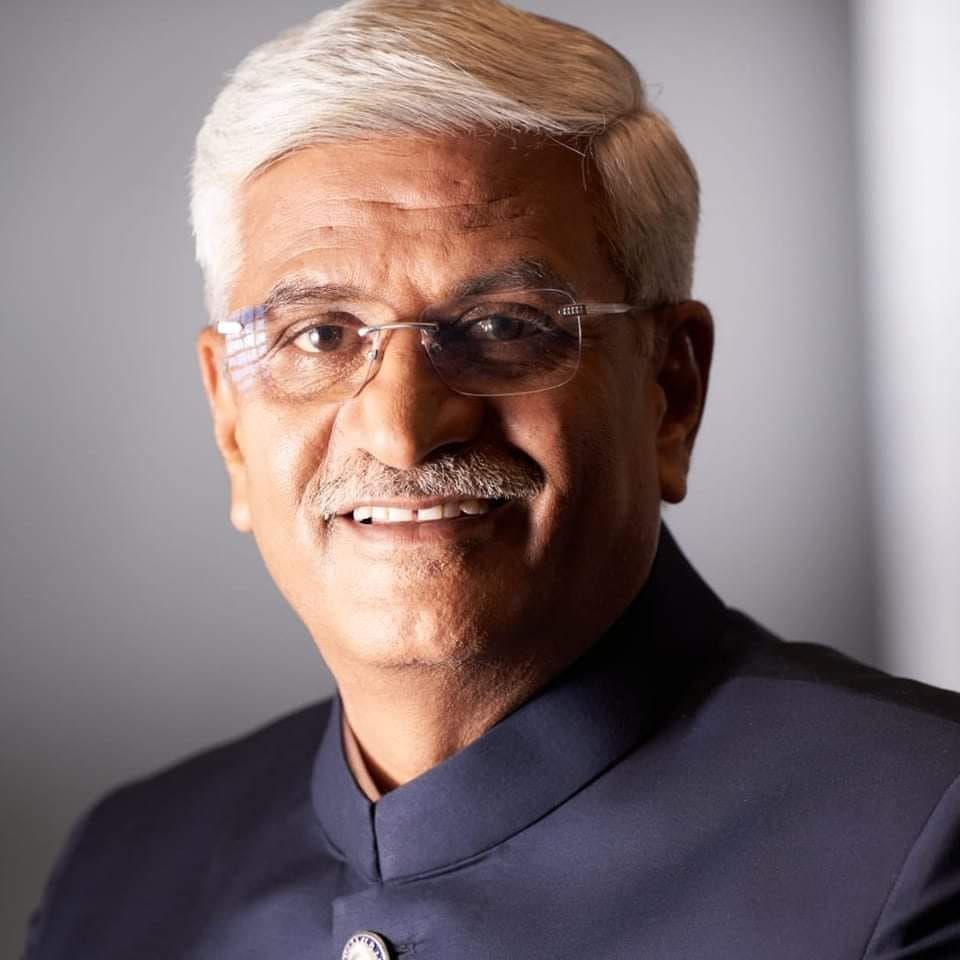
Union Minister for Culture and Tourism Gajendra Singh Shekhawat welcomed the ranking, saying it reflects the impact of the tourism policy pursued under Prime Minister Narendra Modi’s vision of “Development as well as Heritage”. Writing on the ranking, he noted that the 31st position is “not the destination; it is evidence that we are moving in the right direction.”
The minister pointed out that India is in the global top 10 in 13 indicators. It ranks first in the average length of stay of foreign tourists, at about 17-18 days, and in the timely submission of tourism data. It is fourth in airport connectivity and sixth in price competitiveness, hotel rates, purchasing power and tourism jobs with good incomes. In travel resources, India ranks fourth in the world, seventh in natural resources, ninth in cultural resources and seventh in tourism sustainability. It is also third in large sports stadiums and top universities, and fifth among global cities.
Several indicators have improved sharply. The indicator on spreading tourist arrivals beyond a few months rose from 80th to 46th, hotel room availability relative to population from 117th to 84th, use of digital tourism services from 106th to 91st, and the economic impact of tourism from 41st to 31st. The government attributes this to improved infrastructure, including 687 routes connecting 95 airports under the UDAN scheme, and to destination development under Swadesh Darshan, Swadesh Darshan 2.0 and the PRASAD scheme. E-visas are now available to citizens of 172 countries, with about 95% of applications processed within 72 hours.
Tourism contributes 5.22% to India’s GDP and supports 8.46 crore jobs in 2023-24. In 2025, domestic tourist trips reached 428.55 crore, foreign tourist trips 2.53 crore, and foreign exchange earnings ₹2,76,831 crore.

The WEF noted that gaps remain in workforce skills, environmental sustainability, and tourist services and infrastructure, which could affect the sector’s ability to handle rising demand. Business environment and human resources and labour market scores were also below average, reflecting limited access to finance, regulatory barriers and gaps in workforce capabilities. Shekhawat acknowledged that there is no room for complacency and called for better hotels, trained guides, last-mile connectivity and destination management, along with the use of artificial intelligence and digital technology. “Our objective is not merely to increase the number of tourists,” he said, adding that the aim is for visitors to stay longer, buy local products, explore nearby places and return with a pleasant experience.
Global tourism conditions are at their strongest since 2019. A total of 101 of the 110 economies improved their scores between 2024 and 2026, and the average score rose by 2.1%, the fastest growth since 2019. Asia-Pacific recorded the strongest regional improvement, with its average score up 3.6%.
The 10 largest non-high-income tourism economies, including India, China, Indonesia, Malaysia, Thailand, Viet Nam, the Philippines, Türkiye, Mexico and Brazil, account for more than 28% of global direct travel and tourism GDP, a share projected to rise to 35% by 2035. They have improved their scores more than twice as fast as the top 20 since 2019. The WEF said the next stage of convergence will depend less on attracting visitors and more on supporting them and the businesses that serve them.
