
At the ASEAN Tourism Forum (ATF) 2026 in Cebu, Philippines tourism officials reported that the country’s travel industry has moved decisively beyond recovery and is now entering a sustained growth cycle. Data presented at the forum showed international visitor arrivals rising dramatically from only 163,879 in 2021, at the height of pandemic restrictions, to a projected 6.5 million visitors for 2024–2025. The figures reflect a sharp return of global confidence in the destination and a strengthening demand for leisure and experiential travel.
Tourism Undersecretary Verna C Buensuceso described the trajectory not simply as a rebound but as a period of expanding momentum. According to her, the country’s tourism sector is now supported by strong demand, diverse travel products and a workforce capable of delivering high-quality visitor experiences.
Economic indicators reinforce that progress. Inbound tourism receipts for 2025 are estimated at around PHP 694 billion, highlighting tourism’s expanding role in the national economy and its impact on transportation, accommodation, food services and local supply chains. Visitor behaviour also shows encouraging trends, with travellers staying an average of 11.9 days and spending about US$122 per day, suggesting visitors perceive greater value and are exploring multiple destinations within the country.
Reforms to ease travel
To maintain growth, the Department of Tourism has introduced policy changes designed to simplify entry procedures and encourage longer, higher-spending stays. Measures include visa-free access for travellers from India, Taiwan and China, visa waivers for cruise passengers, and plans for a digital nomad visa aimed at remote workers seeking extended stays. Authorities are also preparing a value-added tax refund scheme for foreign tourists.
Bilateral tourism agreements with countries such as Brunei, India, Israel, Japan, South Korea, Thailand and Qatar support these efforts. The agreements facilitate air connectivity, cooperation in standards and investment, and the easing of travel advisories, turning diplomatic partnerships into practical tourism outcomes.
Connectivity across an archipelago
Given that the Philippines comprises more than 7,600 islands, improved transport links are central to tourism development. New and expanded international routes now connect Manila and Cebu with cities including San Francisco, Seattle, Vancouver, New Delhi, Guam, Perth, Brisbane and Paris. Regional Asian routes have also increased, serving gateways such as Clark, Iloilo, Bohol, Kalibo and Caticlan.
Chartered services from Russia and Mongolia have begun operations, while domestic flights now link Clark, Cebu, Davao and Iloilo with island destinations including Coron, El Nido, Siargao and Boracay. Officials noted that expanded connectivity distributes tourism benefits more evenly across regions instead of concentrating them in a few major hubs.
Visitor services and workforce development
Improving visitor comfort and safety is another priority. A 24-hour Tourist Medical Concierge service has assisted over 20,000 travellers from 76 countries, providing health support and emergency coordination. The government has also opened 12 Tourist Rest Areas nationwide, with a long-term goal of establishing 100 facilities throughout Luzon, Visayas and Mindanao.
Human resource development remains central to service quality. More than 412,000 tourism workers have completed training under the Filipino Brand of Service Excellence programme, which promotes hospitality standards rooted in Filipino cultural values.
Inclusive and community-based growth
The tourism strategy also emphasises community participation. Programmes include the Turismo Asenso loan facility for small tourism enterprises, livelihood assistance for disaster-affected workers, retraining for returning overseas Filipino workers, and the involvement of senior citizens as cultural interpreters and guides. Licensed tour guides receive professional support and insurance coverage, reflecting their role as ambassadors of local heritage.
Diversified tourism experiences
Authorities are broadening tourism offerings beyond traditional beach holidays. Updated accommodation standards encourage hotels to integrate Filipino culture into guest experiences. Muslim-friendly tourism is expanding, with the country rising to eighth place in the Global Muslim Travel Index and the opening of Marhaba Boracay, the first dedicated Muslim-friendly beach cove.
Gastronomy tourism is advancing through the Philippine Experience programme, a national culinary roadmap and international promotion following inclusion in the Michelin Guide. Other growth sectors include cultural and creative tourism, diving supported by improved safety systems, golf tourism across more than 117 courses, sports and film tourism, MICE travel and cruise tourism. Destination-specific campaigns, including Visit Cebu, further promote regional destinations.
Marketing and sustainability strategy
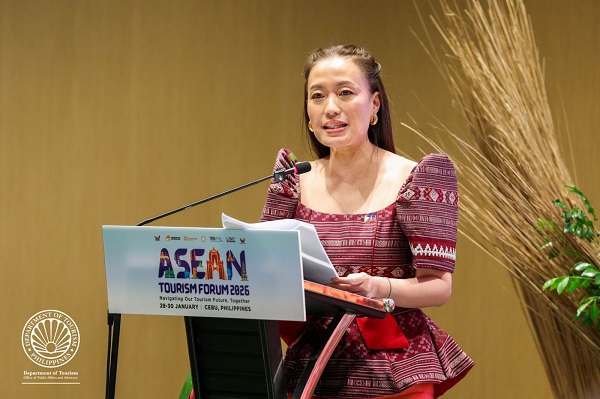
Maria Margarita Nograles, Chief Operating Officer of the Tourism Promotions Board (TPB) Philippines, explained that the organisation serves as the Department of Tourism’s marketing and business-to-business engagement arm. Its 2025–2028 strategy follows a whole-of-nation approach using research-driven promotion, expanded branding, and positioning the country as a leading MICE destination.
Sustainability is integrated into all initiatives, aligned with the UN Sustainable Development Goals through environmental protection, heritage preservation, education and community support programmes.
Officials concluded that cooperation between government, industry and media will remain essential. Together, these measures aim to position the Philippines as a competitive, inclusive and sustainable tourism destination within ASEAN and the wider global travel market.
Also Read
Watch on Youtube
KARNATAKA INTERNATIONAL TRAVEL EXPO (KITE 2025) Inaugural Function
