
By Team Tourism India
An exclusive conversation with Mr. Allen Machado , CEO of Niraamaya Life, the visionary behind Niraamaya Wellness Retreats on balancing conscious luxury, authenticity, and ambitious expansion in India’s booming wellness economy
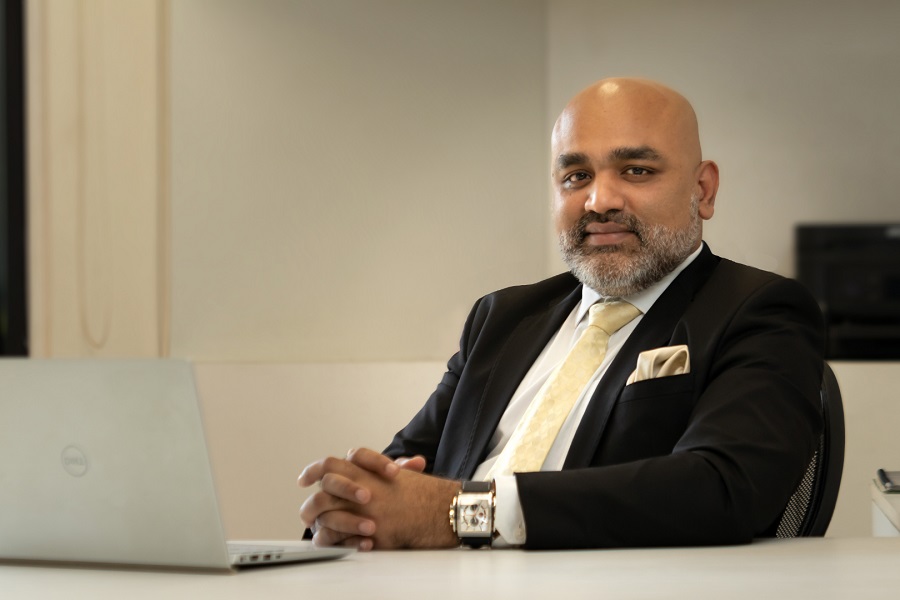
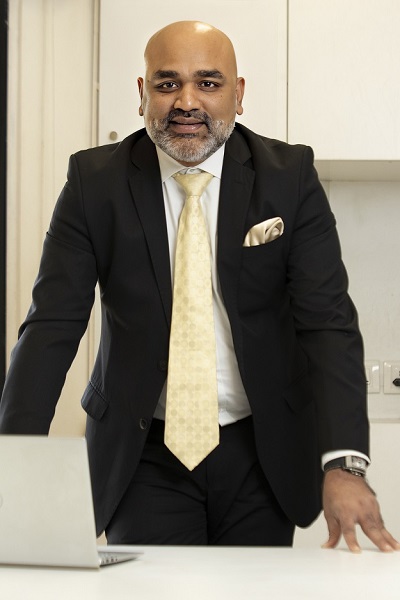
In an era where wellness has evolved from a niche offering to a fundamental expectation in hospitality, few leaders have managed to authentically bridge the gap between luxury and holistic wellbeing quite like Allen Machado. As the driving force behind Niraamaya Wellness Retreats, Machado has cultivated a brand that doesn’t merely add spa services to a hotel experience – it reimagines hospitality entirely through the lens of transformation, healing, and deep cultural immersion.
Meeting Machado at one of Niraamaya’s serene properties, it quickly becomes evident that his philosophy isn’t confined to marketing rhetoric. Every element – from the locally-sourced ingredients in the Ayurvedic treatments to the architectural choices that honor regional traditions – reflects a considered approach to what he terms “conscious luxury.” In this extensive conversation, Machado shares his perspectives on India’s positioning in the global wellness landscape, emerging hospitality trends, and the delicate balance required when scaling a brand built on authenticity.
The Authenticity Imperative: Luxury Meets Local Wisdom
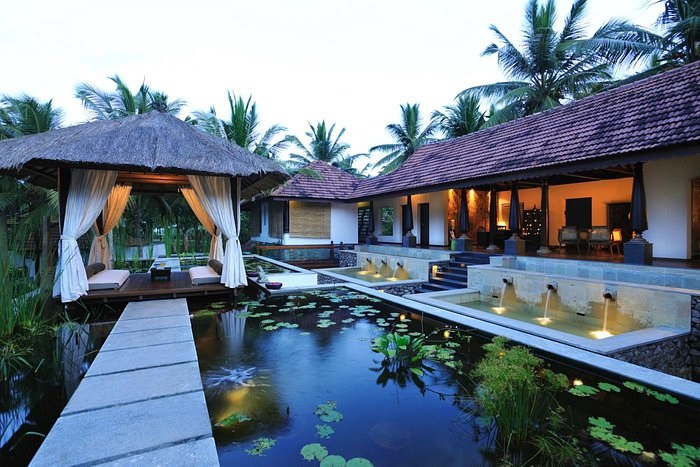
Tourism India (TI): The wellness sector has become increasingly crowded, with many properties adding “wellness” as an amenity. How does Niraamaya differentiate itself while maintaining luxury standards across diverse locations?
Allen Machado (AM): I believe luxury and wellness coexist naturally when they are rooted in authenticity. This isn’t about importing a standardized wellness template to different locations. Every Niraamaya retreat embodies the local culture, traditional healing wisdom, and the surrounding natural landscape in meaningful ways.
Our architecture, treatments, rituals, and even ingredients are thoughtfully curated to reflect each destination’s unique identity. At the same time, our core philosophy, personalized service approach, and guest-centric values remain consistent across properties. This balance ensures that each retreat has its own individuality while maintaining that familiar sense of belonging that returning guests value.
Industry Insight: Machado’s emphasis on localization addresses a critical challenge in the wellness hospitality sector. According to the Global Wellness Institute, authenticity has emerged as the top criterion for discerning wellness travelers, with 78% stating they can distinguish between genuine wellness experiences and superficial add-ons. The “copy-paste” approach that dominated early wellness tourism is giving way to demand for culturally-rooted, place-specific experiences.
The challenge for operators lies in scaling this authenticity – a tension Machado acknowledges but appears to navigate through what might be called “unified diversity”: consistent service philosophy expressed through locally-distinctive programming. This model contrasts sharply with international wellness chains that often prioritize brand uniformity over regional character.
India’s Wellness Moment: From Heritage to Market Leadership
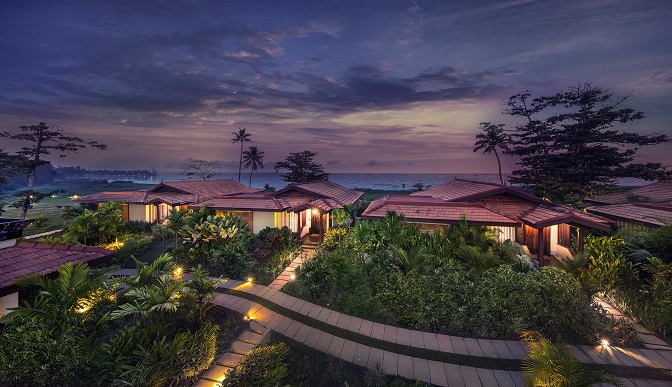
TI: With wellness becoming a global phenomenon, where does India currently stand in this competitive landscape?
AM: The numbers tell a compelling story. The global wellness economy was valued at approximately USD 6.8 trillion in 2024 and is projected to approach USD 10 trillion in the coming years. India’s contribution is increasing significantly – our domestic wellness market, valued at USD 55–56 billion in 2024, is expected to cross USD 70 billion by 2025.
But beyond the economic data, India possesses something invaluable: an established heritage in Ayurveda, yoga, and natural healing that spans millennia. This isn’t borrowed or constructed wellness – it’s deeply embedded in our culture and consciousness. India is exceptionally well-positioned to emerge as one of the most influential global wellness destinations, not by imitating Western models, but by confidently offering what we’ve always had.
Analysis: Machado’s optimism is supported by substantial market momentum. The Indian wellness tourism sector has been growing at a compound annual growth rate (CAGR) of approximately 12-15%, significantly outpacing general tourism growth. The government’s recent emphasis on promoting India as a wellness destination through initiatives like the “Heal in India” campaign has further catalyzed this expansion.
However, challenges remain. Infrastructure gaps, inconsistent service standards across the sector, and limited marketing reach compared to established wellness destinations like Thailand and Bali continue to constrain India’s potential. What distinguishes Niraamaya’s approach is the emphasis on leveraging India’s “heritage advantage” – the authentic lineage of Ayurveda and yoga – rather than competing on Western wellness paradigms.
The projected jump from USD 55-56 billion to over USD 70 billion within a single year suggests an industry at an inflection point, potentially accelerated by the post-pandemic prioritization of health and immunity-building that aligns naturally with traditional Indian wellness practices.
2026 and Beyond: Five Trends Reshaping Hospitality
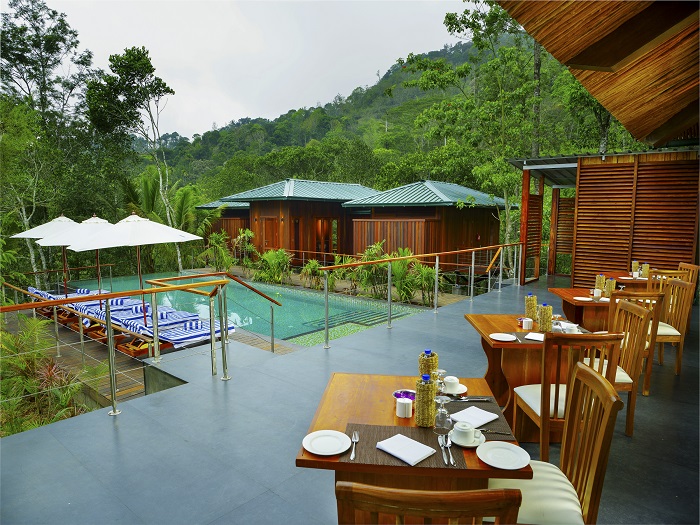
TI: Looking ahead to 2026, what emerging trends do you believe will fundamentally reshape hospitality?
AM: Several key shifts are already underway. First, personalization driven by technology and AI will become standard rather than exceptional. Guests expect properties to remember their preferences, anticipate their needs, and customize experiences accordingly.
Second, travelers increasingly value authentic experiences over predictability and standardization. The era of cookie-cutter hospitality is ending. Third – and this is crucial for our sector – wellness is becoming an integral part of hospitality design rather than a supplementary offering. It’s no longer a separate spa building; it’s woven into every aspect of the guest journey.
Fourth, we’re seeing demand for flexible, preference-based itineraries rather than rigid programming. And finally, sustainability is emerging as a defining expectation rather than an added feature. Guests, particularly younger travelers, are making choices based on a property’s environmental and social commitments.
These elements will fundamentally shape how travelers select and engage with brands.
Industry Commentary: Machado’s trend forecasting aligns with broader hospitality research, but his framing reveals strategic positioning. The assertion that “wellness is becoming integral rather than supplementary” represents both observation and aspiration – essentially arguing that the hospitality model Niraamaya has built is becoming the industry standard rather than a niche offering.
The emphasis on AI-driven personalization is particularly noteworthy for the wellness sector. While luxury hotels have employed guest preference systems for years, applying these technologies to wellness programming – tracking treatment efficacy, adapting yoga sequences to individual progress, personalizing nutritional plans – represents a frontier that could significantly differentiate operators.
The sustainability trend Machado identifies has particular urgency in India, where wellness properties often occupy ecologically sensitive areas. Properties that cannot demonstrate genuine environmental stewardship may face not only market rejection but also regulatory challenges as environmental protection measures strengthen.
His observation about “flexible, preference-based itineraries” signals a shift from the traditional wellness retreat model of fixed programs (the classic “7-day Panchakarma”) toward more modular, customizable experiences that accommodate modern travelers’ scheduling constraints and diverse wellness goals.
Personal Mission: Depth Over Scale
TI: What will be your personal focus in the coming year?
AM: My focus is on strengthening the guest experience through meaningful programming and intentional design. Travel today is increasingly viewed as an investment in wellbeing – not just a break from routine, but a catalyst for personal growth and transformation.
Guests are seeking deeper emotional resonance with their experiences. They want to feel something, learn something, change something about themselves. The ability to deliver authenticity, provide cultural context, and facilitate personal transformation will be central to our approach. This requires constant refinement – listening to guests, training teams, evolving programming, and ensuring that every touchpoint serves a purpose beyond transaction.
Observation: Machado’s emphasis on “meaningful programming” and “intentional design” reflects a maturation in wellness hospitality thinking. Early wellness resorts often focused primarily on service delivery – executing treatments, providing healthy meals, offering yoga classes. The evolution Machado describes involves curating transformative journeys with narrative arcs, emotional resonance, and lasting impact.
This philosophy places significant demands on property teams. Creating “deeper emotional resonance” requires staff who function less as service providers and more as facilitators of personal transformation – a substantially different skill set requiring intensive training and cultural alignment. It also demands sophisticated programming that balances structure with personalization, expertise with intuition.
The phrase “investment in wellbeing” is strategically significant, repositioning wellness travel from leisure expenditure to self-improvement capital – a framing that potentially justifies premium pricing while attracting guests seeking substantive outcomes rather than pampering indulgence.
Expansion Vision: From Kerala Roots to Pan-Asian Presence
TI: What is the future vision for Niraamaya Wellness Retreats?
AM: Our vision is to establish Niraamaya as a leading luxury wellness brand, not just regionally but internationally. India remains a strong focus, particularly expansion into North India where we see significant opportunity. The northern regions offer different landscapes, cultural contexts, and wellness traditions that we’re eager to explore and integrate.
Internationally, South East Asia, Sri Lanka, Nepal, and Bhutan are key markets of interest. These destinations share deep-rooted wellness heritage and possess the landscape suitability essential for authentic retreat experiences. The goal isn’t simply to grow our footprint – it’s to make authentic, transformative wellness accessible to more guests across the world while maintaining the integrity that defines Niraamaya.
Strategic Analysis: Machado’s expansion roadmap reveals calculated geographic targeting. The focus on North India addresses an important market gap – while South India (particularly Kerala and Goa) dominates wellness tourism, the Himalayan regions and Rajasthan remain relatively underdeveloped despite possessing strong wellness credentials (yoga’s Rishikesh origins, traditional healing practices, spectacular natural settings).
The international markets identified – South East Asia, Sri Lanka, Nepal, and Bhutan – share several strategic advantages. All possess established wellness heritages (Thai massage, Sri Lankan Ayurveda, Bhutanese traditional medicine, Nepalese Himalayan healing) that align with Niraamaya’s authenticity-first approach. Unlike expanding to markets where wellness traditions would need to be imported or constructed, these destinations offer cultural foundations upon which authentic experiences can be built.
Additionally, these markets are experiencing strong tourism growth, possess developing luxury hospitality sectors with expansion opportunities, and attract wellness-oriented travelers – essentially offering first-mover advantages in the luxury wellness segment.
The emphasis on “authentic, transformative wellness” as the expansion criterion (rather than market size or revenue potential) suggests a brand development strategy prioritizing mission consistency over aggressive growth – an approach that may limit scale velocity but could strengthen brand equity and guest loyalty.
The Authenticity-Consistency Paradox
TI: Niraamaya retreats occupy ecologically and culturally sensitive environments. How do you maintain authentic local character while ensuring brand consistency?
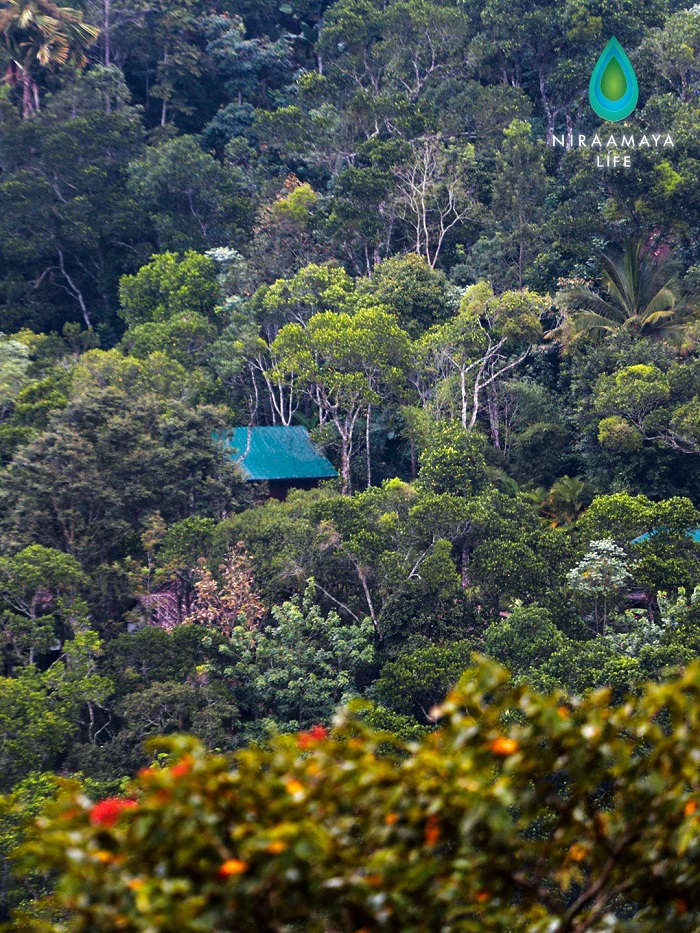
AM: This is one of our defining challenges and, I believe, one of our strengths. The identity of each retreat is genuinely shaped by its landscape and community. We don’t impose – we interpret. We work with local artisans, source from nearby communities, engage with regional healing traditions, and design around the natural environment.
However, our service culture and wellness philosophy unify every destination. Guests know that wherever they visit a Niraamaya property, they’ll encounter the same commitment to personalization, the same depth of wellness expertise, and the same genuine care for their journey. This approach enables us to offer variety in experience while staying aligned with our core values of healing, balance, and intentional living.
Industry Perspective: Machado articulates what hospitality scholars call the “standardization-adaptation paradox”- a challenge particularly acute for wellness brands where place-based authenticity is central to value proposition. His “interpret rather than impose” framework offers one solution, though implementation complexity should not be underestimated.
This model requires sophisticated operational capabilities: deep local cultural knowledge at each property, design teams capable of translating wellness philosophy into varied architectural languages, procurement systems that prioritize local sourcing while maintaining quality standards, and training programs that instill brand values without prescribing uniform procedures.
The risk lies in execution inconsistency. While corporate messaging emphasizes localization, guests’ lived experiences must validate this claim. A retreat that merely applies superficial local aesthetics to a standardized wellness program will fail the authenticity test that discerning travelers increasingly apply.
Niraamaya’s relatively modest current footprint (compared to major hotel chains) may actually facilitate this balance. Maintaining “unified diversity” across 5-7 properties is exponentially easier than across 50-70. The expansion vision Machado outlines will test whether this model scales or whether growth pressures eventually force compromise toward more standardized operations.
The People-First Paradigm
TI: How does the Niraamaya retreat model fundamentally differ from conventional hospitality approaches?
AM: Our approach begins with people—and I mean our team members first. When teams feel supported, inspired, and genuinely valued, the guest experience naturally reflects that warmth and sincerity. You cannot manufacture authentic care; it flows from organizational culture.
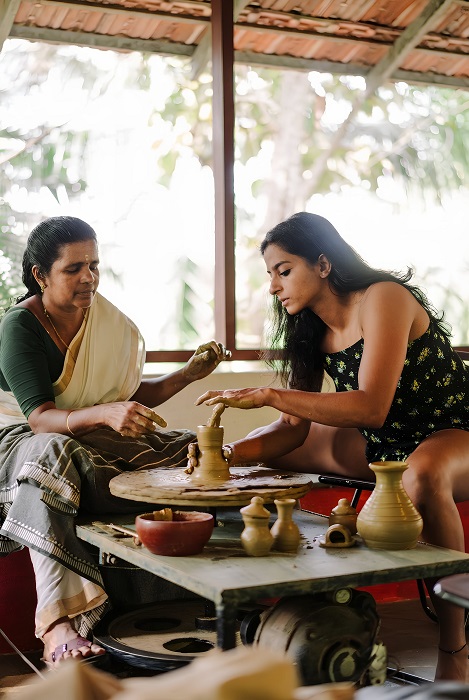
We also encourage our Ayurveda doctors, yoga practitioners, and program designers to develop specialized offerings, including corporate leadership experiences and customized wellness journeys. This empowerment creates a sense of ownership and enables innovation at the property level rather than only at headquarters.
Additionally, we maintain dedicated guest-experience teams at each retreat whose role is to refine and elevate engagement in real time. They’re not just problem-solvers; they’re experience enhancers who ensure that each guest’s journey unfolds optimally.
HR and Operational Analysis: Machado’s “people-first” philosophy addresses a critical wellness hospitality challenge: service quality dependency on staff wellbeing and engagement. Research consistently demonstrates that employee satisfaction correlates strongly with guest satisfaction, but this relationship is particularly pronounced in wellness contexts where staff facilitate intimate, vulnerable experiences.
The empowerment of wellness practitioners to develop specialized programming represents a departure from the rigid standardization typical in chain hospitality. This approach can drive innovation and customization but requires careful quality oversight to ensure consistency and safety, particularly in Ayurvedic treatments where practitioner training and experience significantly impact outcomes.
The concept of “dedicated guest-experience teams” whose function transcends traditional guest relations suggests significant labor investment. In an industry where labor costs typically represent 30-40% of operating expenses, this commitment to staffing depth reflects strategic prioritization of experience quality over margin maximization—a positioning consistent with luxury wellness but potentially challenging to maintain during industry downturns or aggressive expansion phases.
Conscious Luxury: Reconciling Indulgence and Sustainability
TI: “Luxury” and “sustainability” are often seen as competing priorities. How does Niraamaya reconcile these apparently contradictory demands?
AM: I don’t view them as contradictory – rather, they’re complementary when approached correctly. Our approach is guided by what we call conscious luxury. Every decision – whether in operations, architecture, or guest experience design – is aligned with sustainability principles from the outset, not retrofitted afterward.
We implement initiatives such as encouraging guests to plant saplings during their stay. These aren’t performative gestures but genuine expressions of our belief in regeneration, environmental gratitude, and mindful indulgence. True luxury today isn’t about excess or waste – it’s about quality, intention, and positive impact.
Sustainability Context: Machado’s “conscious luxury” framing attempts to resolve a fundamental tension in high-end hospitality: reconciling resource-intensive luxury service with environmental responsibility. The wellness sector faces particular scrutiny given its frequent invocation of “harmony with nature” while operating properties that consume significant energy, water, and materials.
The sapling-planting initiative Machado mentions exemplifies what sustainability experts call “regenerative tourism”-moving beyond “do no harm” toward “create positive impact.” However, such symbolic gestures, while meaningful, must be accompanied by substantive operational commitments: renewable energy adoption, water conservation systems, waste reduction, sustainable sourcing, and carbon footprint management.
The evolution of luxury travel consumer values supports Machado’s positioning. Research from organizations like Virtuoso and Condé Nast indicates that high-net-worth travelers increasingly factor sustainability into purchasing decisions, with 73% of luxury travelers stating they’re willing to pay premiums for demonstrably sustainable experiences. This creates both opportunity and accountability – brands invoking sustainability must deliver verifiable commitments or risk accusations of greenwashing.
For Niraamaya, the challenge involves transparency: Are environmental impact assessments conducted? Are carbon emissions tracked and offset? Are local communities genuinely benefiting economically? Is water usage minimized in potentially water-scarce regions? Sophisticated travelers are asking these questions, and generic sustainability messaging no longer suffices.
Wellness Tourism’s Evolution: From Relaxation to Transformation
TI: Wellness travel is gaining extraordinary global momentum. How do you see demand evolving in the coming years?
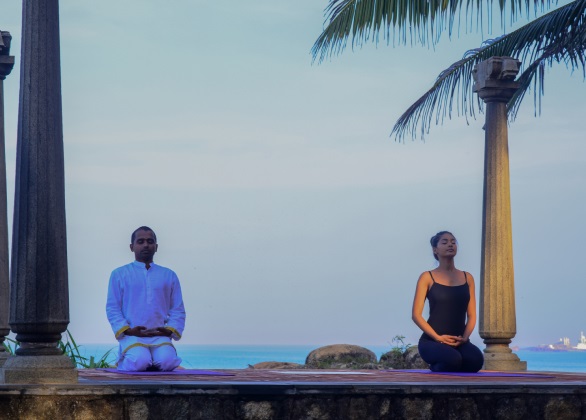
AM: We’re witnessing a fundamental shift in why people travel for wellness. Today’s travelers aren’t simply seeking relaxation or stress relief – they’re seeking healing and meaningful connection. They want experiences that touch something deeper, that create lasting change rather than temporary respite.
As wellness and travel continue to converge, experiences rooted in authenticity, immersed in nature, and connected to culture will hold the greatest value. This isn’t a temporary trend; it represents a permanent recalibration of what travel means for many people. This shift positions brands like Niraamaya, which have always prioritized depth over superficiality, very well for the future.
Market Dynamics: Machado’s characterization of wellness tourism’s evolution from “relaxation to transformation” reflects broader market research. The Global Wellness Institute segments wellness travelers into “primary” wellness travelers (where wellness is the primary trip motivation) and “secondary” wellness travelers (who engage in wellness activities opportunistically). The primary segment is growing substantially faster – approximately 17% annually compared to 10% for secondary – indicating strengthening demand for dedicated wellness experiences rather than casual spa visits.
This evolution creates both opportunity and challenge. Transformational experiences command premium pricing and generate strong loyalty but also carry higher risk – if guests don’t perceive meaningful impact, dissatisfaction intensifies. Unlike a luxury beach resort where relaxation is self-evidently achieved, transformation requires measurable outcomes, continued engagement, and often lifestyle changes extending beyond the stay itself.
The convergence Machado describes – wellness and travel becoming increasingly inseparable – suggests market mainstreaming. Wellness is transitioning from niche to norm, from alternative to expected. This democratization could expand total market size while potentially commoditizing offerings and compressing margins as more operators enter the space with varying quality standards.
For established wellness operators like Niraamaya, this inflection point presents a classic innovator’s dilemma: whether to pursue volume in an expanding mainstream market or maintain premium positioning serving the high-end transformation-seeking segment. Machado’s emphasis on “depth over superficiality” suggests the latter strategy, though expansion plans imply desire to access growing demand.
The Identity Challenge: Growth Without Dilution
TI: With ambitious expansion planned, what challenges do you anticipate navigating?

AM: Growth must be carefully balanced with identity preservation. One perception we continue to address is that Niraamaya is primarily a Kerala-focused brand. While Kerala represents our heritage and remains important, we’re much broader in vision and capability.
As we expand, our approach remains rooted in localization, cultural integration, and unwavering commitment to our core wellness philosophy. Each new property must authentically express its location while maintaining the Niraamaya essence. This ensures we remain relevant in every market while strengthening our position as a leading wellness-focused hospitality brand. It’s a delicate balance, but one we’re committed to maintaining regardless of growth pace.
Brand Strategy Analysis: Machado’s acknowledgment of Kerala-centric brand perception reveals a sophisticated understanding of positioning challenges. Kerala dominates Indian wellness tourism consciousness—approximately 40% of international wellness travelers to India visit Kerala, drawn by Ayurvedic heritage, natural beauty, and developed infrastructure. While this association provides credibility, it can limit brand flexibility and geographic expansion potential.
The “delicate balance” Machado references between growth and identity represents perhaps the central strategic tension for Niraamaya’s next chapter. Academic research on luxury brand extension demonstrates that brand dilution risk increases exponentially with geographic and conceptual expansion. Properties that don’t deliver on brand promise don’t merely underperform—they actively damage core brand equity.
Several specific challenges emerge from Niraamaya’s expansion vision:
Talent acquisition and training: Finding and developing staff capable of delivering the Niraamaya experience in new markets requires substantial investment in training infrastructure and time—factors that can slow expansion or compromise quality if rushed.
Real estate selection: Identifying properties that meet Niraamaya’s requirements (ecologically sensitive, culturally rich, developable for wellness) while offering viable economics becomes increasingly difficult as prime locations are claimed by competitors or face development restrictions.
Cultural competency: Successfully interpreting and integrating local wellness traditions in diverse markets (Himalayan healing practices, Sri Lankan traditions, Bhutanese medicine) demands deep cultural knowledge that cannot be quickly acquired or superficially applied.
Capital intensity: Developing or renovating properties to Niraamaya standards requires substantial capital, potentially necessitating external investment that could influence strategic decision-making and brand direction.
Market education: In new geographic markets, Niraamaya must simultaneously build brand awareness, educate consumers about its differentiated approach, and compete with established operators – a multifaceted marketing challenge requiring sustained investment.
Machado’s statement that identity preservation will be maintained “regardless of growth pace” suggests willingness to slow or constrain expansion rather than compromise standards – an admirable commitment but one that will face testing when market opportunities, investor expectations, or competitive pressures mount.
Authenticity as Competitive Moat
As our conversation concludes, several themes crystallize around Machado’s vision for Niraamaya and wellness hospitality more broadly:
1. Authenticity as Strategy: In an increasingly crowded wellness market where differentiation becomes difficult, Niraamaya’s commitment to place-based, culturally-rooted experiences represents not just marketing positioning but fundamental strategic differentiation. If executed consistently, this approach creates competitive moats that superficial operators cannot easily replicate.
2. India’s Moment: The confluence of growing wellness market value, government support, global interest in authentic healing traditions, and post-pandemic health prioritization creates perhaps the strongest-ever conditions for Indian wellness tourism leadership. Whether India capitalizes on this moment depends on operators like Niraamaya delivering world-class experiences that validate international traveler investment.
3. The Scaling Paradox: Machado’s expansion vision confronts hospitality’s perennial challenge: maintaining boutique quality at growing scale. His “unified diversity” model offers conceptual elegance but demands operational excellence, cultural sensitivity, and patient capital—factors more easily described than delivered.
4. Beyond Wellness Tourism: Machado’s articulation of wellness as integral to hospitality design rather than supplementary offering suggests future industry evolution. If wellness becomes expected infrastructure (like WiFi or quality bedding), operators like Niraamaya who pioneered this integration gain first-mover advantages while conventional hotels face adaptation challenges.
5. Values-Driven Luxury: The emphasis on sustainability, cultural respect, employee wellbeing, and transformational impact reflects evolving luxury definitions—particularly among younger affluent travelers who reject ostentation in favor of meaning and purpose. Brands aligning with these values position for long-term relevance.
Allen Machado emerges from this conversation not merely as a hospitality operator but as a thoughtful architect of experiences designed to foster human flourishing. Whether Niraamaya can scale this vision while maintaining its soul represents one of Indian wellness hospitality’s most compelling narratives to watch in the coming years.
For travel trade professionals, Niraamaya’s evolution offers important signals: wellness is professionalizing, differentiation is intensifying, and the market is bifurcating between authentic transformation-focused operators and superficial wellness-washing. The winners in this maturing sector will likely be those, like Machado, who view wellness not as amenity but as worldview—and who possess the discipline to maintain this distinction as they grow.
This feature represents original analysis and commentary based on an interview with Allen Machado. Market data and industry insights are current as of November 2024.
Also Read
Watch on Youtube
