
How a landmark women-centric tourism policy is reshaping entrepreneurship, safety, and leadership for women across the state – and what it signals for India’s tourism future
There is something quietly powerful in the name. ‘Aai’ – the Marathi word for mother – carries within it an entire emotional universe: of nurturing, of strength, of the kind of quiet resolve that sustains families and communities across generations. That the Government of Maharashtra chose this word to name its landmark women-centric tourism policy is not incidental. It is a statement of intent.
Launched to empower women across the state and give new momentum to Maharashtra’s tourism sector, the Aai Tourism Policy is already emerging as one of the most comprehensive and far-reaching women-focused policy frameworks in Indian tourism. As the country celebrates International Women’s Day 2026, the numbers tell a compelling story of early success – and a more ambitious one of what is still possible.
A Policy Built on Five Pillars
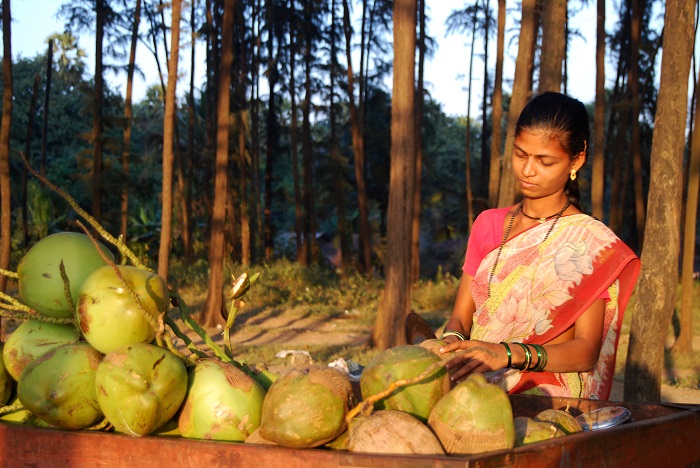
The architecture of the Aai Policy rests on five clear pillars: promoting women’s entrepreneurship, developing infrastructure for women, ensuring the safety of women tourists, providing customised services and concessions for women travellers, and promoting Maharashtra’s tourism offering at large. Together, they represent a holistic approach to gender equity in tourism – one that addresses not just the economics of women’s participation, but the culture and safety conditions that make that participation possible.
At its financial core, the policy offers interest-free loans of up to ₹15 lakh to women entrepreneurs seeking to establish tourism businesses, backed by an interest reimbursement facility for up to seven years. The government transfers the interest amount directly to the Aadhaar-linked bank accounts of eligible entrepreneurs at a maximum rate of 12%, with support continuing until the loan is fully repaid or ₹4.5 lakh is reached – whichever comes first.
To qualify, the tourism business must be registered with Maharashtra’s Directorate of Tourism and owned and operated by a woman. For tour and travel agencies, at least 50% of the workforce must be women – a provision that ensures the policy’s benefits ripple outward through employment, not just ownership.
AAI Policy at a Glance – Key Numbers
| 4,200+ | Applications received from women entrepreneurs across Maharashtra |
| 3,292 | Letters of Intent generated under the AAI Policy |
| 900 | Loans sanctioned to women entrepreneurs |
| ₹72.49 Cr | Total loan amount sanctioned |
| ₹1.67 Cr | Sanctioned for interest reimbursement |
| ₹15 Lakh | Maximum interest-free loan available per entrepreneur |
| 7 Years | Duration of interest reimbursement support |
| 20% | Discount on MTDC tourism circuits and packages for women tourists |
| 50% | Discount on MTDC resort bookings on 23 specified dates annually |
Early Momentum – and What It Signals
The numbers emerging from the policy’s early implementation are striking. More than 4,200 applications have been received from women entrepreneurs across the state, of which 3,292 Letters of Intent have been generated. Nine hundred loans have been sanctioned, amounting to ₹72.49 crore – with an additional ₹1.67 crore sanctioned specifically for interest reimbursement.
The response has been strongest in the Konkan, Pune, Chhatrapati Sambhaji Nagar, and Nashik divisions – reflecting both the geographic diversity of Maharashtra’s tourism landscape and the breadth of women’s entrepreneurial ambition across the state. The kinds of businesses women can establish under the policy are deliberately varied: agro-tourism ventures, eateries, restaurants, cafes, homestays, tourism villas, adventure tourism enterprises, and houseboats all qualify. This range is important – it means the policy meets women where they are, rather than constraining them to a narrow definition of ‘tourism business.’
“Tourism has the potential to be an important driver of the progress of women in the country. The Aai Policy has given that potential a concrete policy framework.”
For the Traveller, Not Just the Entrepreneur
What distinguishes the Aai Policy from purely entrepreneurship-focused schemes is its equal attention to the experience of women as tourists. Maharashtra Tourism Development Corporation (MTDC) is offering a 20% discount on tourism circuits and packages arranged through its tour operators for women travellers. More significantly, a 50% discount on online bookings at MTDC resorts and units applies on 23 specified dates throughout the year – including March 1 to 8, coinciding with International Women’s Day.
The policy also commits to arranging special tours designed for and by women: tours for senior women citizens, women with disabilities, women-only city day tours, adventure tours, and trekking tours. At MTDC properties, stalls will be provided to women’s self-help groups to sell handicrafts, artworks, and food products – creating a virtuous cycle where women tourists actively support women entrepreneurs at the destinations they visit.
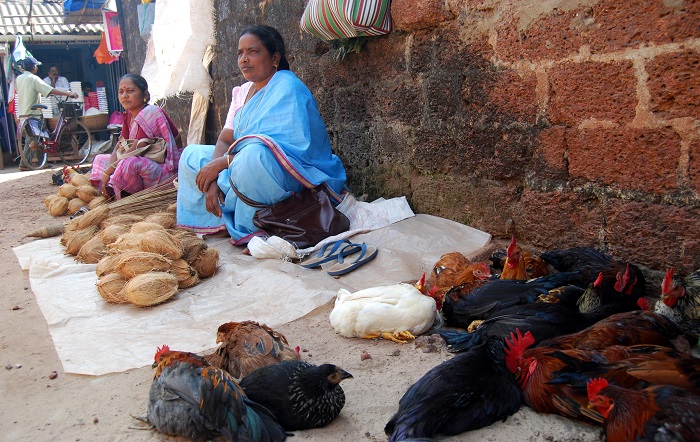
Practical facilities speak to the policy’s attention to detail: rooms near elevators for elderly or differently-abled women, special recreational facilities, and childcare for women tourists travelling with children up to five years of age. These are not headline-grabbing provisions, but they are the provisions that make travel genuinely accessible – and they signal a government that has listened carefully to what women actually need when they travel.
Insurance, Safety, and Long-Term Security
The Aai Policy also extends its protections to women working within the tourism industry – not just those who own businesses. Female tour guides, drivers, and tour operators registered with the Directorate of Tourism will be enrolled in insurance schemes conducted by central or state government agencies, with the government covering insurance premiums for the first five years. This provision addresses a structural vulnerability that has long affected informal and semi-formal workers in tourism, providing a safety net that can make a material difference to the financial security of women in the sector.
Voices from the Leadership
| “The Aai Tourism Policy is not only beneficial in providing financial incentives; it is also promoting women’s leadership skills more broadly. Women in the tourism industry are coming forward not only to participate but also to act as entrepreneurs and to create new employment opportunities. Through the implementation of the Aai Tourism Policy, the self-reliance of women in the state is getting a new direction in both rural and urban areas.” – Shri Shambhuraj Desai Minister of Tourism, Government of Maharashtra |
| “The women-centric tourism policy, AAI, is proving beneficial towards encouraging women entrepreneurs and bringing financial empowerment to women in the tourism sector. This scheme has already helped many women, including women travellers, across the state. The policy aims to support women’s economic development and boost the state’s tourism industry.” – Shri Sanjay Khandare (IAS) Principal Secretary (Tourism), Government of Maharashtra |
| “The Aai Tourism Policy has been implemented to encourage women’s empowerment and women-centric tourism. This is gradually increasing women’s involvement in the tourism industry. Women receive financial incentives under this scheme to establish tourism-related enterprises. Similarly, this policy has ensured the safety and convenience of women tourists. The tourism industry can be expected to develop rapidly with women entrepreneurs leading the charge.” – Dr. B. N. Patil (IAS) Director, Directorate of Tourism, Government of Maharashtra |
A Model for the Nation?
Maharashtra has long been among India’s most significant tourism destinations – from the heritage sites of Ajanta and Ellora to the beaches of the Konkan coast, the vineyards of Nashik, and the wildlife corridors of Vidarbha. The Aai Policy positions the state to lead not just in tourist arrivals, but in the quality and inclusivity of the ecosystem that serves them.
More broadly, the policy offers a template that other states would do well to study. It combines financial instruments – loans, interest reimbursements, insurance – with operational provisions like discounts, safety infrastructure, and SHG market access, and wraps them in a cultural framework that takes seriously both the identity of women as economic actors and as travellers deserving of dignity and safety.
On International Women’s Day 2026, as the theme ‘Give to Gain’ asks the tourism industry to reflect on what genuine investment in women looks like, Maharashtra’s Aai Policy offers a concrete, measurable, and replicable answer. It gives women the tools to build. It gives travellers the conditions to explore safely. And it gives the state’s tourism sector a competitive advantage rooted not in infrastructure alone, but in the human potential of half its population – finally, formally, and ambitiously unlocked.
The Aai Policy is, in the end, what its name promises: a gesture of care made policy, and a recognition that when women are supported to lead, the communities around them – and the destinations they help build – thrive alongside them.
