
Kerala’s tourism industry has welcomed the State Budget for its significant steps towards granting industry status to the tourism sector – a long-pending demand. The Confederation of Kerala Tourism Industry (CKTI) said the budget lays a strong foundation for future growth and will boost investor confidence.
CKTI President E.M. Najeeb said the budget reflects the Government’s vision of a “New Age Kerala” (Puthuyuga Keralam). “By positioning tourism as a priority sector and moving to extend industry benefits to it, the Government has acknowledged tourism’s vital role in Kerala’s economic and social development. This is a historic move for the entire tourism fraternity,” he said.
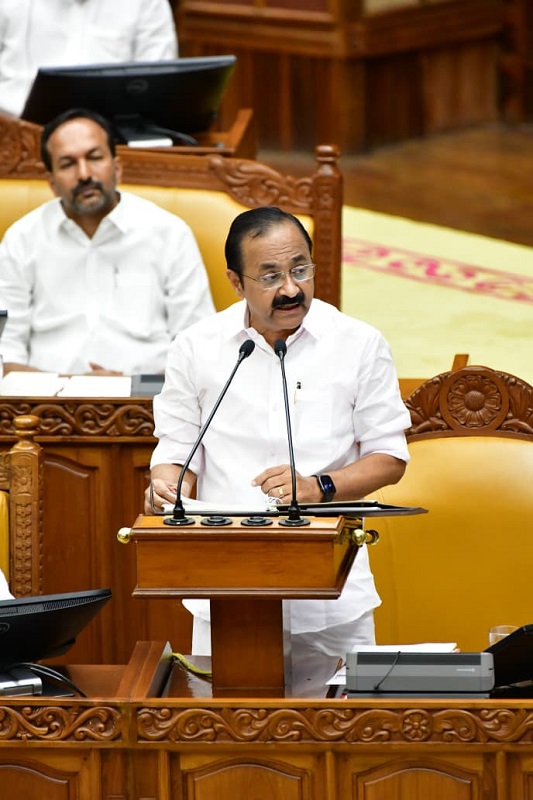
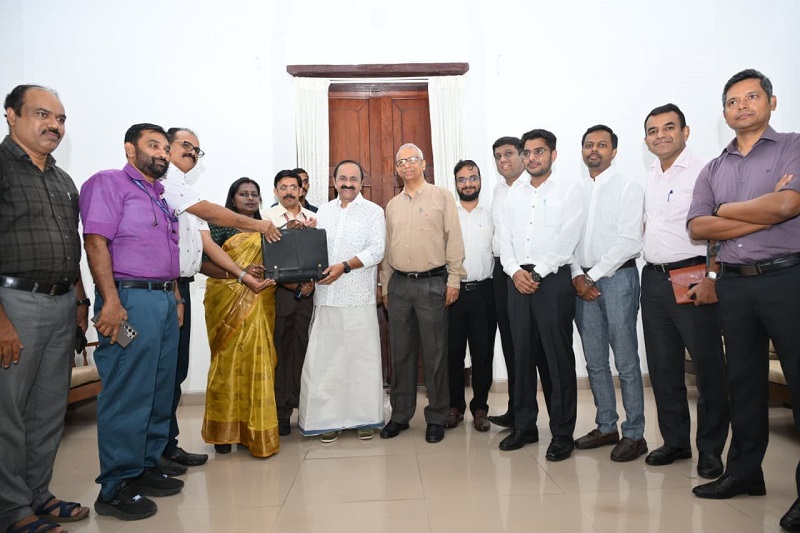
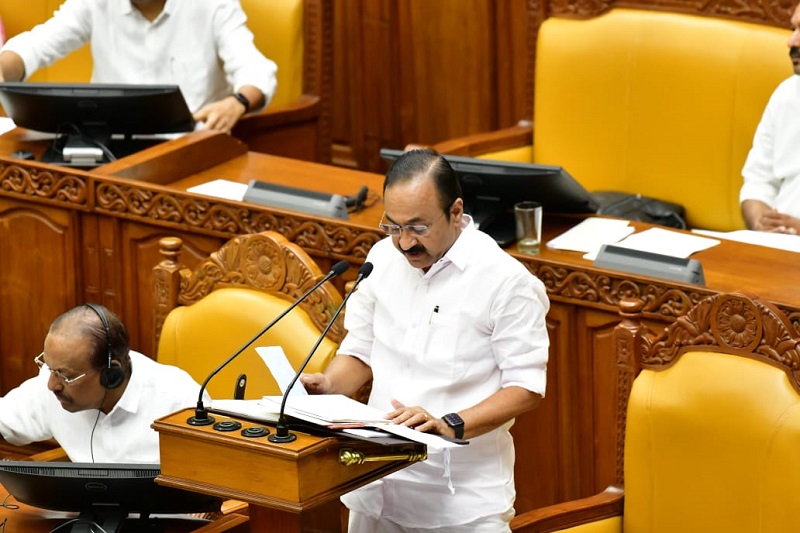
Chief Minister V.D. Satheesan announced a total allocation of ₹325 crore for the tourism sector in the revised 2026-27 budget, with the official grant of Industry Status as a major highlight aimed at attracting greater investment and growth. CKTI welcomed the move, noting it will enable tourism enterprises to access incentives available to other sectors, spurring investment and employment. Najeeb called for continued focus on global marketing, inter-departmental coordination, infrastructure, investment-friendly policies, and sustainable tourism.
KTM Society President Jose Pradeep offered sincere appreciation to the Chief Minister and the Tourism Minister for “the visionary decision to accord industry status to the tourism sector.” He said the landmark announcement would give tourism enterprises access to the benefits available to other industries, strengthening investment, employment generation, and sustainable growth, and that the tourism fraternity and the KTM Society warmly welcomed the Government’s recognition of tourism as a key economic driver.
Tourism veteran Jose Dominic said he hoped industry status would this time translate into specifics, and pointed to farm tourism as an underutilised opportunity for Kerala. He noted that the homestead farm is the most widely distributed and well-owned tourism asset in the state, yet remains the least harnessed, and that the sector has much to gain – particularly in generating jobs where they are needed most.
CKTI General Secretary Sajeev Kurup welcomed initiatives strengthening wellness and health tourism, including the “Reach Kerala” project, which he said could help position the state as a leading global health tourism destination.
Sunilkumar, President of the Wayanad Tourism Organisation, welcomed the revival of Wayanad tourism – including the new “Brand Wayanad” initiative – sustainable development in Munnar, and the promotion of Ashtamudi and eco-tourism. He also pointed to a legal amendment enabling tourism-related activities on a larger extent of land in plantation areas as one of the budget’s key announcements – a long-pending reform expected to open up new tourism investment in Kerala’s plantation belt.
The Chief Minister announced a new Pilgrimage Tourism Circuit connecting key destinations including Arthunkal Basilica, Ambalappuzha Temple, Kakkazham Church, Mannarasala, Krishnapuram Palace, Mata Amritanandamayi Math, and Ochira Temple. A comprehensive eco-tourism master plan was also announced for Pathiramanal Island, along with a new ropeway connecting Muhamma Jetty to the island.
The budget’s focus on eco-tourism, mangrove and farm tourism, rural and community-based tourism, cultural heritage projects, and women-led enterprises was widely welcomed. A pilot “Green Marshals” project will be launched at Fort Kochi, Munnar, Kovalam and Alappuzha, training women to promote cleanliness, responsible visitor behaviour, and environmental awareness – praised by CKTI as an innovative step towards responsible tourism.
Chief Minister V.D. Satheesan, in his budget speech, highlighted Kerala’s pivotal place in global maritime history – from the ancient port of Muziris and the Dhow (Uru) makers of Beypore, to the Quilon trade route and the modern Vizhinjam deep-water port. CKTI Organizing Secretary Ravisankar K.V. added further depth to this legacy, noting that long before Vasco da Gama landed in Kerala, Beypore Urus had already reached Damascus and Marrakesh carrying prized Kerala spices, including cardamom and black pepper. He pointed out that even Christopher Columbus had recorded an encounter with a Beypore Uru at the Cape of Good Hope, but that a lack of documented historical data meant Kerala’s native mariners ultimately lost ground to European navigators in the historical record. He said the proposed International Maritime Museum (₹50 crore) will preserve and showcase this legacy through interactive exhibits, archives of ancient manuscripts, and research facilities, anchoring Kerala’s maritime tourism offering. He added that Kerala’s next step should be to develop smooth water-to-land connectivity across all coastal destinations and create a coastal cruise circuit – a model other states should also adopt.
The expanded Muziris Tourism Project (₹19 crore) will further transform the region into a leading heritage destination through live museums, heritage preservation, and traditional waterway journeys.
Ravisankar also welcomed the Government’s vision to position Kerala as South India’s premier aviation and logistics hub, backed by a ₹200 crore allocation for preliminary aviation hub activities to boost connectivity and tourism arrivals.
The renovation of tourism amenity centres and houseboat terminals built under the Mega Tourism Circuit Project in Alappuzha, along with a new scientific waste treatment facility for houseboat waste, were welcomed as steps to improve backwater tourism sustainability. Continued support for the houseboat sector was also noted.
Other welcomed initiatives include the J.C. Daniel International Film City in Kochi (₹100 crore), the M.T. Vasudevan Nair Cultural Park in Kozhikode (₹50 crore), and a new Culinary Institute to promote Kerala cuisine and hospitality employment. CKTI also welcomed plans for AI-enabled digital tourism platforms to enhance visitor experience.
Tourism Minister P.C. Vishnunadh said the budget contains announcements that will help transform Kerala’s tourism sector in line with changing times, noting that several long-pending demands – including industry status – have been approved by the Government in the very first phase.
Mr. Najeeb, on behalf of the entire tourism industry, thanked Chief Minister V.D. Satheesan and Tourism Minister P.C. Vishnunadh for their proactive steps in favourably considering the long-standing demands of tourism industry associations and stakeholders.
“The initiatives announced have the potential to take Kerala tourism to the next level. With continued Government-industry partnership, Kerala can become one of the world’s most preferred travel, wellness and cultural destinations,” CKTI said.
Also Read
Vishnunadh Takes charge as Kerala’s Minister for Tourism and Culture
Watch on Youtube
