
Andhra Pradesh is reimagining the future of tourism. A high-level review meeting chaired by Deputy Chief Minister Mr. Pawan Kalyan, alongside Tourism Minister Mr. Kandula Durgesh, on May 25, 2026, outlined an ambitious roadmap for the state’s tourism and eco-tourism transformation. The vision places safety, sustainability, and community empowerment at the heart of Andhra Pradesh’s journey to becoming a world-class tourism destination.
The meeting produced a slate of landmark initiatives that together constitute the most comprehensive rethinking of Andhra Pradesh’s tourism strategy in recent memory.
The first and most immediately impactful announcement is the introduction of a dedicated Tourist Police policy a structured safety mechanism designed to provide every tourist and spiritual devotee visiting the state’s sacred temples and landmark destinations with absolute peace of mind. In a country where the quality of the tourist experience is increasingly determined by the sense of security a destination projects, this initiative addresses one of the most critical and most overlooked dimensions of destination competitiveness. Visitors who feel safe stay longer, spend more, and return.
Running alongside the safety agenda is a bold expansion of the state’s destination portfolio. A joint committee has been constituted to identify 200 new tourist spots across Andhra Pradesh, with a mandate to upgrade facilities at each identified location to international standards. This is not a cosmetic exercise – it is a systematic effort to ensure that the extraordinary natural, cultural, and heritage assets that Andhra Pradesh possesses across its diverse geography are made accessible, comfortable, and compelling for the modern traveller.

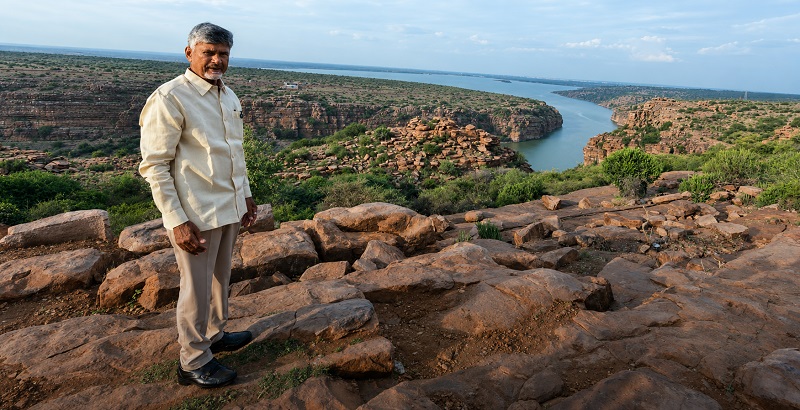
Eco-tourism is emerging as the centrepiece of the state’s economic vision for the sector. The government has committed to creating 50,000 green jobs through eco-tourism initiatives – a target that reflects an understanding that sustainable tourism, when developed with genuine commitment, is one of the most effective tools for inclusive rural employment. Special attention is being directed toward developing iconic ecological locations to global standards, including the dramatic Krishna River gorges in Kurnool, the Bairluti landscape within the Nallamala forest system, and the globally significant flamingo breeding centres in Nellore – destinations that carry the potential to attract serious nature travellers from across India and internationally.
Village tourism and rural homestays represent the human heart of the new strategy. Inspired by the successful community-based tourism models of India’s northeastern states, Andhra Pradesh is moving to empower local communities through hospitable, home-away-from-home experiences that give visitors an authentic encounter with the state’s rich rural life and traditions. This model – where the tourist’s accommodation budget flows directly into village households rather than into large hotel chains – is among the most equitable and most durable forms of tourism development. The northeast has demonstrated that it works. Andhra Pradesh has the culture, the landscapes, and the community structures to make it work at scale.
The emerging contours of Andhra Pradesh’s tourism future are clear – secure for every visitor, sustainable for every ecosystem, and economically meaningful for every community the traveller passes through. The state’s extraordinary natural canvas, from its Eastern Ghats to its long Bay of Bengal coastline, from its ancient temple towns to its wildlife-rich forests, has always been there. What is new is the institutional will and the strategic clarity to share it with the world on terms that benefit Andhra Pradesh’s people as much as its visitors.
Also Read
Vishnunadh Takes charge as Kerala’s Minister for Tourism and Culture
Watch on Youtube
