
By Ravisankar KV
A year of transformation sees new winners emerge as traditional leaders struggle to maintain dominance
The year 2025 marks a defining phase for India’s tourism and hospitality industry. Emerging strongly from the disruptions of the COVID-19 pandemic, Indian tourism has entered a reset mode – shaped by infrastructure-led growth, aggressive state-level marketing, rising domestic travel confidence, renewed inbound momentum, and unprecedented interest from global hotel brands. While some traditional tourism leaders have struggled to retain past dominance, new destinations and states have emerged as powerhouses, redefining India’s tourism geography.
At the same time, global tourism trends – ranging from experiential travel and wellness tourism to technology-driven personalization and sustainability – are influencing India’s positioning in the international marketplace. The industry today stands at a crossroads: rich in opportunity, but challenged by gaps in marketing investment, skilled manpower, digital readiness, and cohesive global branding.
Global Tourism in 2025: Trends Shaping the Future
Globally, tourism in 2025 is driven by experience over sightseeing, value-driven luxury, medical and wellness travel, and short-haul, high-frequency travel. Travelers are seeking authentic cultural immersion, nature-led experiences, responsible tourism, and wellness-centric journeys. Sustainability, carbon awareness, and community engagement have moved from optional narratives to decisive booking factors.
Another strong global trend is the rebalancing of source markets. Traditional European outbound markets are stabilizing, while GCC countries, South East Asia, Central Asia, and Africa are emerging as high-value inbound segments. Technology – from AI-powered travel planning to dynamic pricing, contactless services, and hyper-personalized guest engagement – is reshaping how destinations and hotels compete globally.
Post-COVID Winners: Indian States That Gained Momentum
In the post-COVID era, Indian tourism growth has been state-driven rather than centrally led. States that invested aggressively in infrastructure, connectivity, religious tourism circuits, and targeted marketing have gained disproportionately.
Uttar Pradesh: The Spiritual Tourism Powerhouse
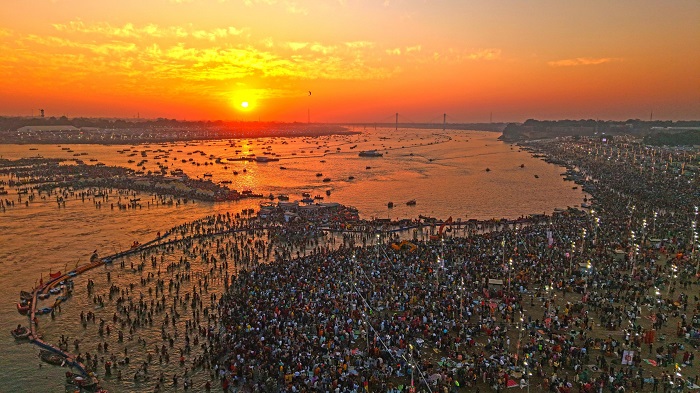
Uttar Pradesh has emerged as one of India’s biggest tourism success stories post-COVID. Massive budgetary allocation for infrastructure, religious tourism, airports, highways, and urban renewal -especially around Ayodhya, Varanasi, Prayagraj, and Mathura – has transformed the state into a year-round pilgrimage and cultural tourism hub. Strategic promotion, improved law and order perception, and global visibility around spiritual tourism have resulted in record domestic tourist arrivals and growing international interest.
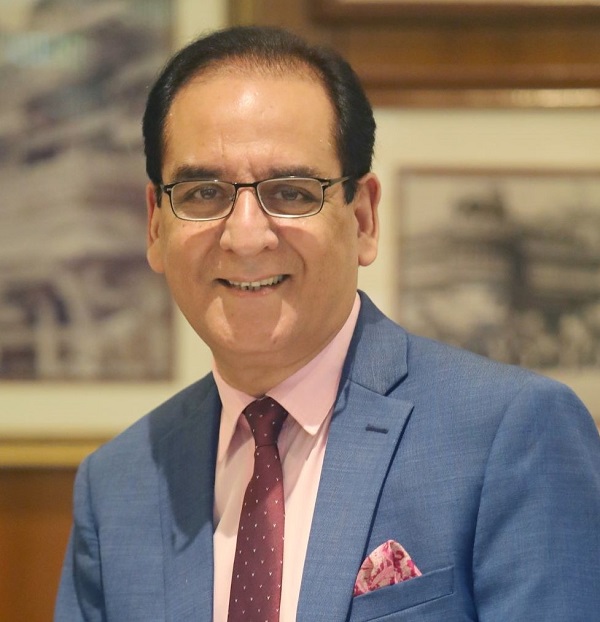
K.B. Kachru, President of the Hotel Association of India and Chairman-South Asia of Radisson Hotel Group, emphasizes this trend: “2025 has been a year of renewed optimism for India’s hospitality sector, marked by sustained momentum and strong demand indicators. The year was shaped by a powerful convergence of spiritual, cultural, and experiential travel with spiritual tourism emerging as a key driver for hotels. Destinations such as Ayodhya, Jammu, Varanasi, Puri, Amritsar, and Tirupati witnessed exceptional footfall. The historic Maha Kumbh further contributed to hotel occupancy and drove demand growth in Tier-II and Tier-III markets.”
Gujarat: Leveraging Landmarks and MICE Infrastructure
Gujarat has successfully leveraged Statue of Unity-centric tourism, heritage circuits, wildlife, and MICE infrastructure. The Statue of Unity has become a global landmark, while Ahmedabad’s UNESCO recognition and strong convention infrastructure have positioned Gujarat as a serious business and leisure destination. Consistent branding, ease of doing business, and proactive policy frameworks have supported sustained growth.
Kachru notes another dimension of Gujarat’s success: “India also saw a new wave of youth-driven travel demand sparked by big-ticket concerts and global performances with major headliners by Coldplay, Alan Walker, and Ed Sheeran. Coldplay’s concert in Ahmedabad resulted in an estimated economic impact of ₹641 crore, with ₹392 crore flowing directly into the city’s economy and GST revenue collected at ₹72 crore. This exemplifies how large-scale events can significantly boost local businesses, from hotels and restaurants to transport, retail, art and handicrafts.”
Odisha: The Quiet Strategic Rise
Odisha’s quiet but strategic rise is noteworthy. Investments in heritage conservation, temple tourism, eco-tourism, and coastal infrastructure, combined with improved air connectivity and focused destination branding, have helped the state attract both domestic and niche international travelers. Odisha’s positioning as a culture-rich, less crowded alternative has resonated well with experiential travelers.
Why Kerala and Tamil Nadu Lost Momentum

Kerala and Tamil Nadu – long considered tourism leaders – have struggled to retain their past dominance despite strong brand recall.
Kerala’s challenges stem from policy uncertainty, recurring climate-related disruptions, limited product diversification, declining skilled manpower, and inconsistent international marketing. While the “God’s Own Country” brand remains powerful, inadequate budgetary support for global promotion, lack of fresh storytelling, and slow adaptation to new traveler expectations have diluted its competitive edge.
Tamil Nadu, despite exceptional cultural assets, temples, and medical tourism potential, has suffered from fragmented promotion, limited international destination branding beyond Chennai, and insufficient private-sector alignment. Both states also face challenges in attracting large-scale new investments compared to emerging destinations.
New Tourism Powerhouses in India
Beyond traditional leaders, Rajasthan (luxury heritage revival), Madhya Pradesh (wildlife and heritage), Jammu & Kashmir (post-revival tourism), Assam and the North East (nature and culture tourism) are gaining traction. These states are benefiting from targeted infrastructure investment, improved air connectivity, and niche positioning rather than mass tourism narratives.
Hospitality Boom: Global Brands Bet Big on India
India has become one of the most attractive hospitality markets globally. Almost all major international hotel brands – Marriott, Hilton, Hyatt, Accor, IHG, Wyndham, Radisson – are expanding aggressively across metros, leisure destinations, religious hubs, and Tier-2 and Tier-3 cities.
This mass entry is driven by strong domestic travel demand, rising middle-class consumption, infrastructure growth, and under-penetration of branded rooms. India is no longer just a luxury or metro-focused market; it is now a volume-driven, multi-brand playground.

Dr. Sanjay Sethi, MD & CEO of Chalet Hotels Ltd., offers insights into the current cycle: “As we look ahead to 2026, the growth drivers for Indian hospitality are both clear and durable. Business travel has returned with depth and predictability, domestic leisure continues to broaden and mature, and MICE and weddings remain powerful demand engines. Together, these segments are well positioned to sustain double-digit RevPAR growth for the industry. What differentiates this cycle is the quality of demand—longer stays, higher spend intensity and greater forward visibility – enabling asset-led hospitality platforms to plan and execute with far greater discipline.”
Kachru adds context about the wedding economy: “The country’s vibrant wedding season for 2025 is estimated at 4.6 million weddings, adding another strong layer of demand, reinforcing the sector’s resilience and diversity. The Government of India expects these events to collectively generate around ₹3,000 crore in revenue, underscoring their growing importance as a driver of tourism and economic activity.”
Rise of Indian Hotel Brands
Indian hospitality brands have shown remarkable resilience and strategic maturity. IHCL (Taj Group) continues to expand across luxury, lifestyle, and economy segments with brands like Taj, SeleQtions, Vivanta, Ginger, and Ama Trails. ITC Hotels, now a separate listed entity, has strengthened its sustainability-led luxury positioning. Lemon Tree Hotels has emerged as a dominant mid-market and budget player. Royal Orchid, Sarovar, CGH Earth, GRT Hotels, TGI Hotels, Tamara Hospitality, Niraamaya Retreats, Fern Hotels, and regional brands have expanded steadily, especially in emerging destinations.
Indian brands are now competing confidently with global players on service, design, and technology adoption. In this environment, scale, location and portfolio balance matter significantly for sustained growth.
Technology, OTAs and Transportation: The Digital Evolution
Technology adoption remains uneven across India’s tourism ecosystem. While hotels and airlines have advanced significantly, destination marketing, government tourism platforms, and MSME operators lag behind.

Ankur Sharmaa, Chief Business Officer at Ebix Travel-Delphi World Money, reflects on the digital transformation: “2025 has been a landmark year for India’s travel industry, defined by smarter planning, digital maturity, and a renewed appetite for meaningful experiences. UPI has emerged as the fastest-growing payment mode, reflecting how Indian travelers are seamlessly blending technology with tradition. This evolution underscores a more confident, informed, and digitally empowered travel audience – one that values convenience, trust, and preparedness like never before.”
He adds details about booking trends: “December flight bookings have tracked 20–25% higher year-on-year, while booking lead times for year-end travel have risen by nearly 10–15%, as travelers plan earlier to secure value and flexibility. As we move into 2026, we expect this momentum to continue, driven by early planners and experience-focused travelers shaping a more resilient, digital-first, and insight-led travel economy.”
Online Travel Agencies (OTAs) dominate distribution, often squeezing supplier margins. The airline sector, despite capacity expansion and new airports, faces challenges related to pricing volatility, operational costs, and international connectivity gaps. The future demands integrated digital ecosystems, better data analytics, and stronger public-private collaboration.

Mr. Aman Naagar, Managing Director of Avis India, highlights the evolving mobility landscape: “The travel and hospitality industry in India saw continued, strong growth for 2025, primarily due to a continued rise in leisure, business, and work-related travel from domestic travellers. At Avis India, we observed increased demand for higher-end airport transfers and longer-term Chauffeur Driven Rentals in key metro cities including Delhi NCR, Mumbai, Bangalore, Hyderabad, Chennai, Pune, Kolkata and Ahmedabad. The way travelers use their time while on the move has evolved significantly in recent years. While more travelers are taking advantage of chauffeur services that allow them to be productive while travelling, the travellers’ needs of today consist of safe, reliable, tech-enabled solutions that allow for convenient mobility while travelling.”
Visa Reforms and the Rise of GCC Inbound Markets
India’s evolving visa regime – including e-Visa expansion, medical visa facilitation, and long-term multiple-entry options – has significantly boosted medical value travel, wellness tourism, and luxury travel from GCC countries.
The Middle East is emerging as a high-spending inbound source market, driven by proximity, cultural familiarity, healthcare excellence, and luxury hospitality offerings. This segment holds immense potential if supported by focused marketing and air connectivity.
Kachru notes: “International tourists saw a steady increase especially on India’s spiritual routes creating opportunities to develop more such destination experiences. As per various industry reports, the Indian hospitality segment had achieved exceptional growth, with RevPAR surging to 12.9 per cent in Q2.”
Nepal’s Hospitality Expansion: A Regional Perspective

The hospitality boom is not limited to India. Tushar Nagar, General Manager of Hyatt Place Butwal, shares his perspective on Nepal’s emerging potential: “As we wrap up 2025 on a high note, we at Hyatt Place Butwal – The Place Between – are overwhelmed by the phenomenal response we’ve received in just two months since opening. Guests have shown immense love for our location – where nature, spiritual trails, and adventure come together. Butwal, with its proximity to sacred sites, natural beauty, and emerging leisure offerings, is perfectly placed to cater to evolving travel preferences. Being just a short and seamless journey from India, Hyatt Place Butwal is eager to welcome Indian travellers looking for a refreshing getaway.”
The Challenge of Incredible India: Where Did We Lose Ground?
The once-iconic Incredible India global campaign has lost momentum due to reduced budgetary allocation, lack of sustained international presence, and absence of contemporary storytelling. In a highly competitive global tourism marketplace, visibility equals viability.
India’s future success depends on restoring robust global marketing budgets, developing market-specific campaigns rather than generic messaging, strengthening coordination between Centre and States, and leveraging digital media, influencers, and experiential storytelling to reach contemporary audiences.
The Future Challenges and The Road Ahead
Kachru summarizes the sector’s outlook: “India’s robust macroeconomic environment continues to provide a strong foundation for the industry’s growth. A rising GDP trajectory, accelerated infrastructure development, including new airports, regional connectivity, and upgraded rail networks with the government’s sustained focus on tourism and destination development programs have strengthened the ecosystem for both business and leisure travel. Coupled with all this is the increased interest in India for spiritual travel, MICE, and wellness-led experiences. As we begin another year, the sector is therefore looking at sustained momentum and a clear outlook of continued expansion and resilience.”
He adds projections for the coming year: “As per reports, India’s hospitality sector is expected to continue its rebound, with the broader branded-hotel pool seeing around 7-8% RevPAR growth in FY2026, with ARR rising to approximately ₹8,400–8,600, supported by robust domestic demand, expanding travel infrastructure, and growing organised-sector penetration. We look forward to a supportive budget and remain committed to working with industry stakeholders and policymakers to build a future-ready, sustainable, and globally competitive hospitality ecosystem.”
India’s tourism story in 2025 is one of promise and paradox. The country has unmatched diversity, rising infrastructure, and strong private-sector confidence. Yet, to truly compete globally, India must invest consistently in branding, skills, sustainability, and technology. Tourism is no longer a soft sector – it is a strategic economic engine. The states and stakeholders who recognize this reality will define India’s tourism leadership in the decade ahead.
Also Read
Xandari Resorts: 25 Years of Pioneering Eco-Luxury in Kerala
Watch on Youtube